
The Jerky Nutrition Guide
Macros & Metabolism
The Core Content:
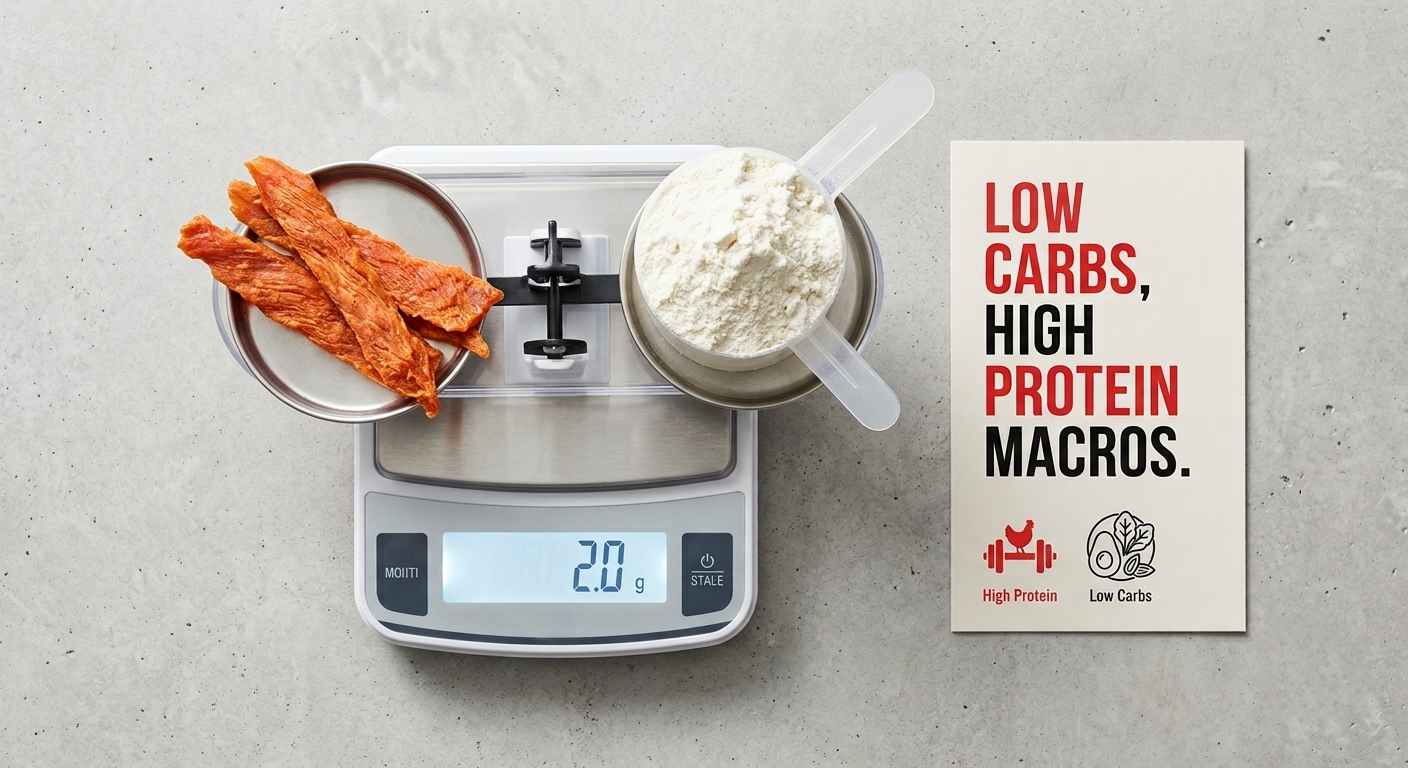
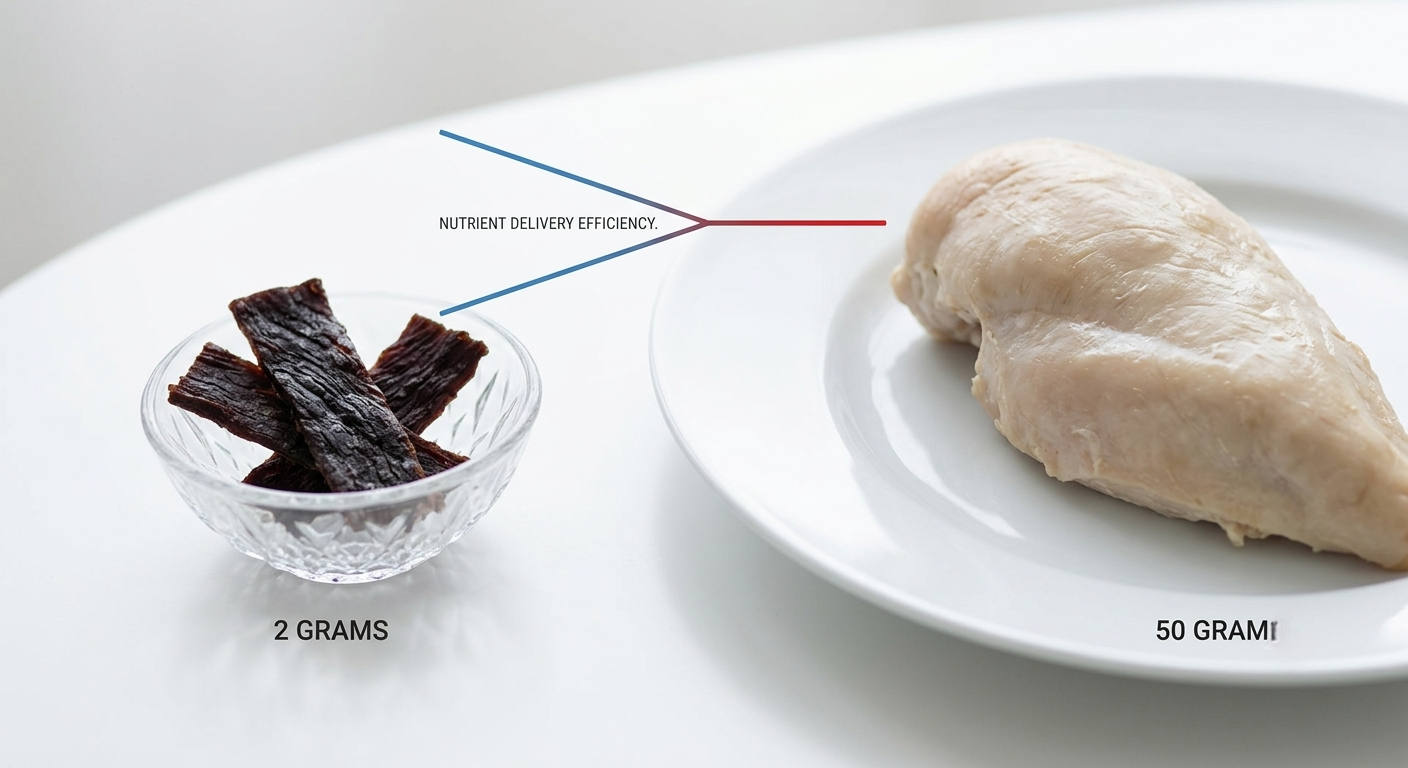
From a biochemical standpoint, premium jerky is one of the most efficient nutrient delivery systems available. Because the dehydration process removes water (which makes up roughly 70% of raw meat), the remaining product is a hyper-concentrated source of protein.
A standard serving of our artisan jerky is remarkably low in carbohydrates, virtually free of trans fats, and packed with bioavailable iron, zinc, and B vitamins. For individuals adhering to Keto, Paleo, or macro-counting regimens, jerky provides a clean, insulin-stable energy source without the artificial sweeteners and fillers found in commercial protein bars.
The Jerky Nutrition Guide
Macros & Metabolism
Jerky is easy to understand at its core: it is seasoned meat that has been dried for flavour and convenience. Nutrition is a little more personal. Your goals, activity level, overall diet and the exact recipe in your hand all matter. This guide will help you read a jerky label without turning a snack into a science exam.
For product-specific information, use the current pack as your source of truth. Nutrition values can vary across flavours and batches.
Understanding Jerky Macros
Protein
Protein is the headline macro in a meat snack. It contributes to normal muscle maintenance and can make a snack feel more filling. The amount per pack depends on the meat, recipe and serving size, so compare labels if protein is a priority for you.
Carbohydrates and Sugar
Jerky recipes often use marinades, and marinades can contribute carbohydrates or sugar. If you follow a low-carb or keto eating pattern, check both values per serving and count them in your day. Savoury does not automatically mean sugar-free.
Fat and Calories
Fat levels and calories vary by cut and recipe. Neither number is automatically good or bad; they are simply part of your energy intake. The useful question is whether the serving fits your goals and helps you stay satisfied.
What Jerky Does—and Does Not Do—for Metabolism
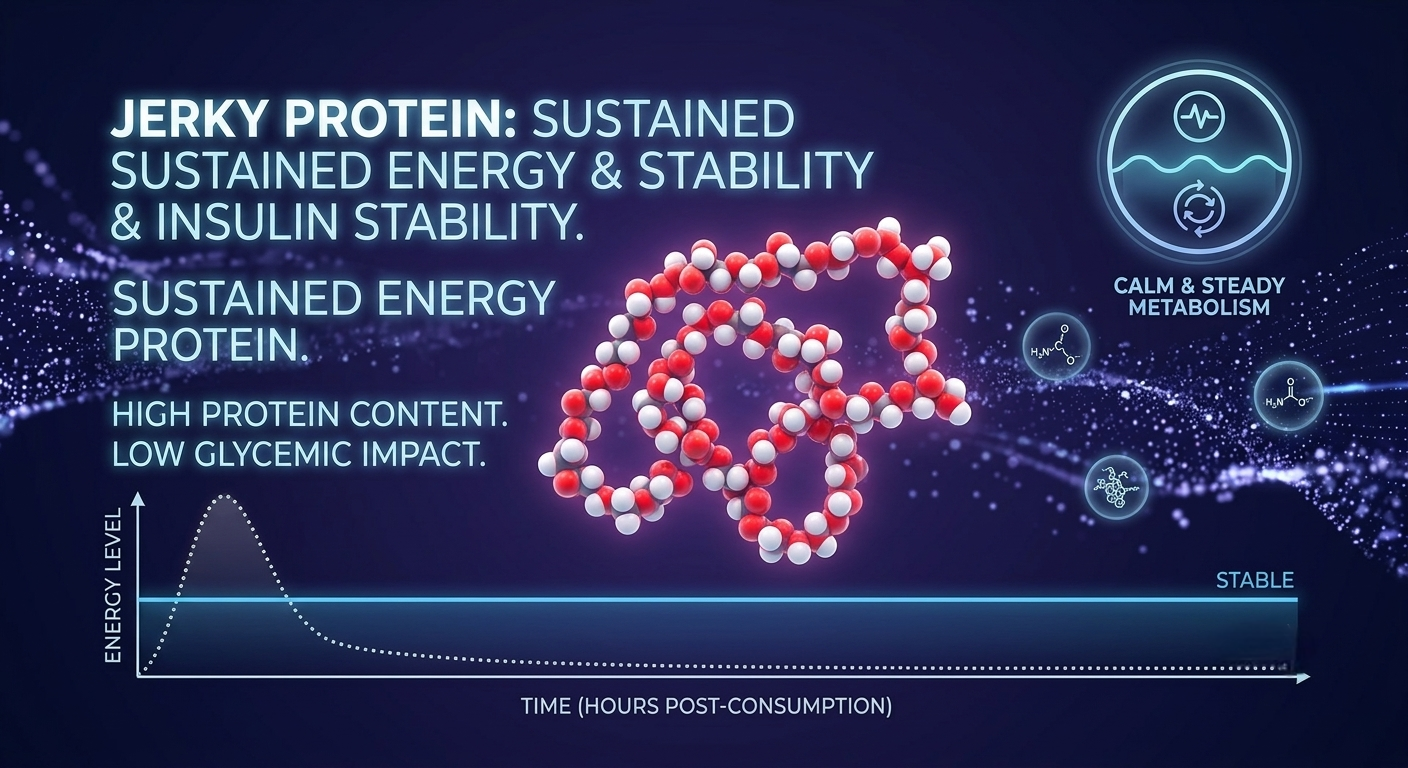
No single snack “boosts” metabolism in a dramatic or permanent way. Your metabolism is influenced by many things, including body size, activity, sleep, health and total food intake. A protein-rich snack can be useful because protein takes more work to digest than carbohydrate or fat and may support fullness, but it is not a shortcut.
Sodium, Hydration and Balance
Dried meat snacks may contain meaningful sodium, which helps preserve flavour and food quality. Check the label, especially if you are managing sodium on professional advice. Have water with your jerky and make space in your routine for fruits, vegetables, fibre-rich foods and regular meals.
How to Add Jerky to Your Day
- Keep a pack handy for the gap between lunch and dinner.
- Pair it with fruit or nuts when you want a more complete snack.
- Use the serving size as a guide, then adjust for your hunger and goals.
- Read labels rather than relying on front-of-pack claims.
Explore chicken options on our chicken jerky hub, shop at the store, or find more practical reads in the Jerky Journal.