The Art of Marinating Meats for Exceptional Jerky Flavors
Introduction to Jerky Making
Jerky, a time-honored method of preserving meat, has captivated palates across cultures and generations. Originally developed by indigenous peoples as a means to store protein for extended periods, jerky-making has evolved into a popular snack choice for people around the globe. Its remarkable range of flavors and textures makes it an appealing option for those seeking a satisfying, protein-rich sustenance.
There are several types of jerky available, each distinguished by the type of meat used, the curing methods employed, and the flavor profiles created through various marinades. Traditional beef jerky remains a classic favorite, while alternatives such as turkey, pork, bison, and even exotic meats like elk and venison have gained traction among jerky enthusiasts. Additionally, the vegan and vegetarian markets have embraced plant-based jerky, showcasing ingredients like mushrooms and soy, which offer a chewy alternative for those avoiding animal products.
One of the critical elements that contributes to the exceptional taste of jerky is the marinade process. Marinating not only enhances the flavor of the meat but also serves to tenderize it, ensuring a delightful texture. The art of marinating involves using a variety of spices, herbs, and liquids, such as soy sauce, vinegar, or citrus juices, which work in harmony to infuse the meat with distinctive tastes. This essential step transforms ordinary cuts of meat into savory morsels that are loaded with robust flavors, making jerky an ideal snack option for food lovers. By understanding the marinating process and the myriad types available, aspiring jerky makers can begin their journey to creating exceptional, homemade jerky that satisfies cravings and delights the senses.
Understanding the Basics of Marinades
Marinades play a crucial role in the preparation of jerky, transforming ordinary cuts of meat into flavor-rich delicacies. A marinade is essentially a mixture that primarily consists of three key components: acids, oils, and seasonings. Understanding how these elements function together can provide insights into the art of crafting an exquisite jerky.
Acids are perhaps the most vital ingredient in any marinade. They serve to break down the protein fibers in meat, making it more tender and easier to chew. Common acidic ingredients include vinegar, citrus juices, and wine. Each of these agents not only enhances tenderness but also contributes unique flavor profiles that can significantly alter the final taste of the jerky.
Oils are another important aspect of marinades. While they do not contribute to tenderness, they play a significant role in flavor delivery and moisture retention. Oils, such as olive oil or sesame oil, can help carry the flavors of the seasonings into the meat, ensuring an even distribution of taste. Additionally, the use of oil can create a barrier that locks in moisture during the drying process, resulting in more succulent jerky.
Seasonings, which can vary widely from herbs and spices to various flavor enhancers, complete the marinade. They are essential for infusing the meat with distinct flavors, whether it be a smoky, spicy, or sweet profile. The careful selection and combination of these elements allow for endless variations, catering to personal preferences and palate explorations. Furthermore, a well-balanced marinade can elevate the mere act of drying meat into a flavorful and enjoyable experience.
Understanding these fundamental components of marinades will empower anyone to experiment with their jerky recipes. By manipulating the ratios and types of ingredients, one can tailor the flavor and texture of the finished product to their specific liking, opening up a world of culinary possibilities.
Choosing the Right Meats for Jerky
When embarking on the journey of creating exceptional jerky, selecting the right type of meat is paramount. Various meats can be transformed into delectable jerky, with beef, pork, turkey, and venison being among the most popular choices. Each type offers distinct characteristics that cater to different preferences and techniques in jerky preparation.
Beef is frequently the top choice for jerky enthusiasts due to its robust flavor and texture. Cuts such as top round, flank steak, and sirloin tip are recommended because they are relatively lean, reducing the fat content that can lead to spoilage. The muscle fibers in beef contribute to a chewy texture, allowing for an enjoyable snacking experience. When opting for beef, it’s advisable to trim away any visible fat to enhance the jerky’s overall quality.
Pork, while less conventional, also yields scrumptious jerky. Cuts like pork loin and tenderloin are ideal due to their low-fat content and subtle flavor. When using pork for jerky, marinating becomes essential, as it can infuse the meat with deeper flavors, resulting in a more complex taste profile. One consideration is that pork should be cooked to the appropriate internal temperature to ensure safety before consuming as jerky.
Turkey has gained popularity as a leaner alternative and is suitable for those seeking a lower-calorie option. Breast meat is the preferred cut, providing a mild flavor that pairs well with various marinades. This makes turkey jerky an excellent choice for those who enjoy trying different flavor profiles without the added fat.
Lastly, venison, commonly available for hunters, offers a unique and earthy flavor that appeals to adventurous eaters. The leanness of venison can result in a slightly tougher texture, yet when marinated and dried correctly, it provides a distinct taste that stands out. Considerations such as texture, fat content, and personal preference play an essential role in choosing the right meat for your jerky endeavors.
Essential Marinade Ingredients for Jerky
Creating exceptional jerky hinges on the marinade, which infuses the meat with rich flavors and can significantly alter its taste profile. To achieve this, it is essential to incorporate key ingredients that balance saltiness, sweetness, and acidity. A common base for many marinades is soy sauce, renowned for its umami depth. The rich, salty quality of soy sauce acts as both a flavor enhancer and a preservative, ensuring that the jerky remains palatable for an extended period.
Worcestershire sauce is another pivotal marinade ingredient, bringing complexity with its tangy and slightly sweet notes. Its unique blend of vinegar, molasses, and various seasonings complements the soy sauce well and adds layers of flavor that make jerky truly exceptional. The addition of aromatic ingredients, such as garlic powder, can also elevate the taste profile. Garlic powder not only contributes a pungent flavor but also offers potential antimicrobial benefits, promoting food safety.
Spices play a crucial role in flavor development as well. Common choices include black pepper, paprika, and red pepper flakes, each imparting distinctive tastes and heat levels. It is advisable to experiment with various spice combinations to discover a personalized flavor signature. When crafting a marinade, striking the right balance between saltiness and sweetness is critical. For sweetness, consider ingredients like brown sugar, honey, or maple syrup, which can counterbalance the salt from the soy sauce and Worcestershire sauce.
Furthermore, incorporating acidic elements like vinegar or citrus juice can enhance tenderness while contributing a refreshing brightness to the marinade. The key is to formulate a harmonious blend of these ingredients tailored to your palate preferences, setting the foundation for delicious jerky that captivates the taste buds.
Creating Custom Marinade Recipes
Creating custom marinade recipes is an exciting opportunity for those seeking to customize their jerky flavor. The foundation of a great marinade typically combines an acid component, a fat source, herbs, spices, and flavor enhancers. Experimenting with various ingredients allows you to craft a unique blend that complements the specific type of meat used, whether it be beef, turkey, or venison.
Consider starting with common acidic ingredients such as vinegar, citrus juice, or soy sauce. These acids not only tenderize the meat but also infuse flavor. For example, a mixture of apple cider vinegar with maple syrup can add a sweet tang to your jerky. Next, think about incorporating fats, which can add richness. Although fat is not traditionally associated with jerky, a small amount of olive oil can help carry flavors while also improving texture.
When it comes to herbs and spices, the options are virtually limitless. Popular choices include garlic, onion powder, smoked paprika, and black pepper. If you are looking for a bolder flavor profile, consider adding crushed red pepper, cumin, or even a splash of hot sauce. For those who prefer a sweeter flavor, brown sugar or honey can bring a special note to the final product.
Pairing suggestions can play a significant role in creating memorable marinades. For instance, a zesty lime and cilantro blend works exceptionally well with chicken, while a robust blend of soy sauce and ginger may be ideal for beef jerky. Additionally, tailoring your marinade based on the meat cut is crucial; leaner cuts tend to benefit from more moisture in the mix, while fattier cuts may require a simpler combination to achieve the desired balance.
Ultimately, the aim is to adjust the ingredients based on your flavor preferences and the meat type you choose. By embracing the art of experimentation, you can unlock a myriad of unique flavors to personalize your jerky creations.
Marinating Techniques and Best Practices
Marinating is a critical step in the process of preparing meat for jerky, as it enhances flavor and tenderness. Understanding the various techniques and best practices for marinating can significantly impact the quality of the resulting jerky. One of the primary considerations is the duration of the marinating process. Generally, tougher cuts of meat benefit from longer marination, typically ranging from 8 to 24 hours, while more tender cuts may only require 4 to 8 hours. Over-marinating can lead to a mushy texture, so careful timing is essential.
Another vital aspect to consider is the temperature at which marination occurs. It is crucial to marinate meat in a refrigerator, ideally at temperatures below 40°F (4°C). This practice minimizes the risk of bacterial growth, ensuring that the meat remains safe for consumption. If planning to marinate for extended periods, using a vacuum-sealing method can prove advantageous. Vacuum sealing not only aids in flavor absorption by eliminating air from the container but also reduces the risk of contamination.
When it comes to selecting the right container for marinating, it is important to opt for non-reactive materials, such as glass, stainless steel, or food-grade plastic. Avoid metal containers, as they can react with acidic marinades, altering the flavor profile negatively. Moreover, using a well-sealed container prevents spillage and helps retain the marinade’s integrity.
It is also beneficial to periodically turn or rotate the meat in the marinade, ensuring even coverage and maximizing flavor infusion. After marination, allowing the meat to rest for a brief period before dehydrating can further enhance the richness of the flavors. By integrating these marinating techniques and best practices, one can unlock deeper and more complex flavors, resulting in exceptional jerky. A careful approach will yield a satisfying and delicious outcome for jerky enthusiasts.
The Importance of Drying Techniques
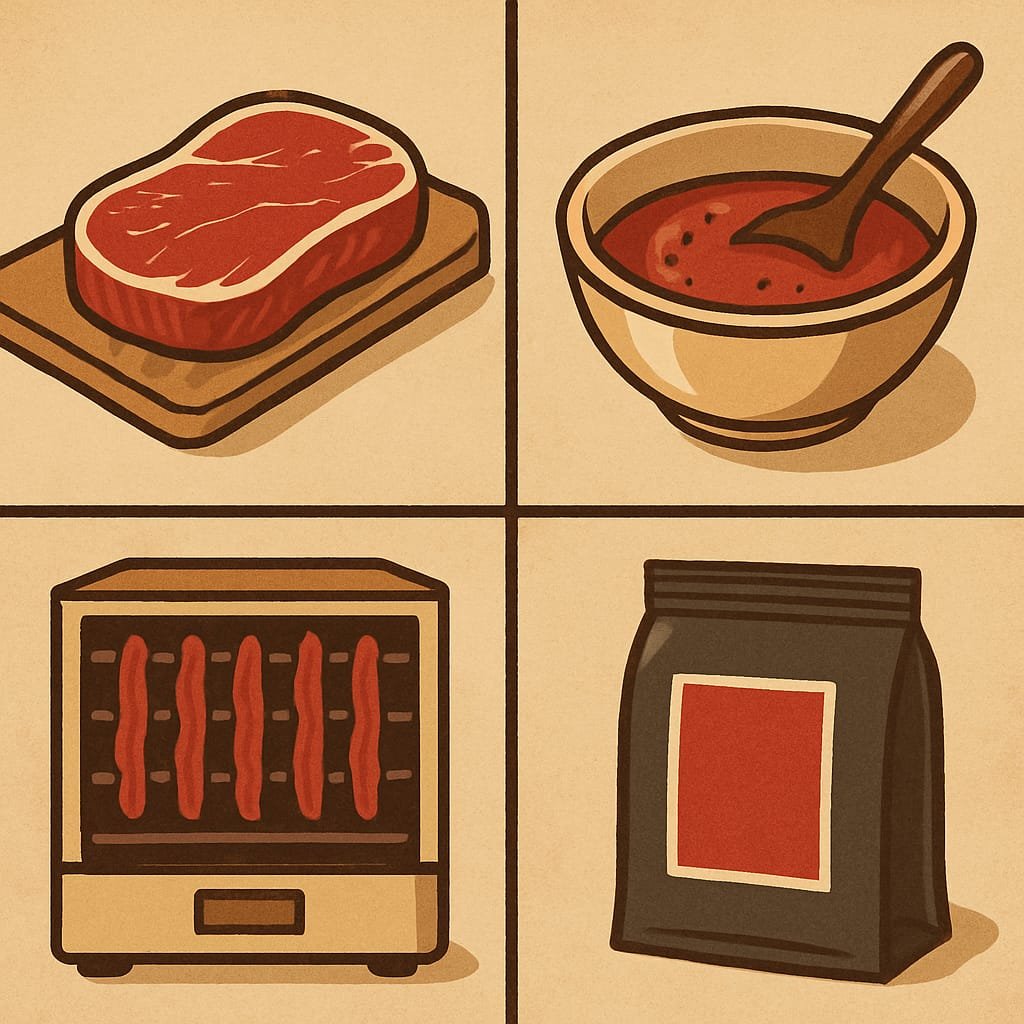
Once the marinating process is complete, the next crucial step in producing exceptional jerky is drying the marinated meat. Drying plays a pivotal role in enhancing flavor, texture, and preservation. Various techniques exist for this purpose, each with its own unique benefits and drawbacks.
One popular method is using an electric dehydrator, which is specifically designed for drying foods. Dehydrators have adjustable temperatures and fan settings to ensure even heat distribution, making them quite effective for jerky production. The advantage of this method is that it can efficiently remove moisture while maintaining the integrity of the meat’s flavor. However, this equipment can require a significant initial investment, which might not be practical for occasional jerky makers.
An alternative option is utilizing a conventional oven for drying jerky. This method is often more accessible since most kitchens are equipped with an oven. The meat can be spread on a wire rack and placed in an oven set to a low temperature, usually around 160°F. While this method is convenient, it may not produce the same level of control as a dehydrator, which could lead to uneven drying. Additionally, care must be taken to regularly monitor the jerky to prevent overcooking or drying out.
Lastly, smoking offers a unique approach to drying meat that enhances both flavor and preservation. This method involves exposing the meat to smoke from wood chips, which infuses it with a rich, smoky flavor while drying it simultaneously. However, smoking requires more time and attention than the other methods, and the flavor may not appeal to everyone.
In conclusion, the choice of drying technique significantly impacts the final product. Whether using a dehydrator, oven, or smoking, each method has its distinct advantages and is vital for achieving high-quality jerky. Understanding these techniques will empower enthusiasts to experiment and refine their jerky-making skills further.
Storing and Enjoying Your Jerky
Once you have successfully prepared your jerky, proper storage is essential for maintaining its freshness and flavor. To ensure that your homemade jerky lasts longer, consider using airtight containers or vacuum-sealed bags. These methods are effective in preventing moisture from getting in, which could lead to spoilage. Additionally, it is advisable to store jerky in a cool, dry place away from direct sunlight. A pantry or cupboard can be an ideal location, while refrigeration is also an option if you plan to extend shelf life beyond a month.
The shelf life of homemade jerky can vary depending on your storage methods. When stored properly in an airtight container at room temperature, jerky can last approximately two weeks. If vacuum-sealed, it may remain fresh for several months. For the longest preservation, consider freezing your jerky; it can last up to a year in the freezer. Before consuming, it is always wise to check for any changes in aroma or texture which could indicate spoilage.
Enjoying jerky can be as versatile as its preparation. It can serve as a convenient snack during a hiking trip or a protein source for busy individuals. For a more culinary experience, consider incorporating jerky into recipes such as salads, stir-fries, or pasta dishes. The rich flavor of jerky can elevate a variety of meals, making it functional in both casual and formal dining settings.
By adopting the right storage techniques and discovering innovative ways to enjoy your jerky, you can maximize both its longevity and its ability to enhance your meals, thereby unlocking the full potential of this delicious preserved meat.
Conclusion and Invitation to Experiment
As we draw our discussion on the art of marinating meats for exceptional jerky to a close, it becomes evident that the process is as much about creativity as it is about technique. The beauty of jerky lies not only in its flavor but also in the versatility afforded by various marinades. By experimenting with different spices, acids, and liquids, one can discover unique flavor profiles that elevate the final product. This journey into the world of jerky-making invites every enthusiast to explore their culinary boundaries.
Utilizing a diverse range of ingredients can transform humble cuts of meat into a remarkable array of savory snacks. For instance, incorporating citrus juices, soy sauce, or even bold spices can lead to distinctive and delightful outcomes. The key is to maintain a balance in your marinades, ensuring that no single flavor overwhelms the others. It is also worthwhile to consider the texture of the meat and how it absorbs flavors during the marinating process, as thicker cuts may require longer immersion to achieve peak taste.
Moreover, the exploration does not have to stop with conventional recipes. Inspired home cooks can take the opportunity to infuse regional flavors or even replicate favorite sauces, thus personalizing their jerky experience. With each batch, one can fine-tune the methods, perhaps experimenting with drying times or marinating durations. The possibilities are endless, promising both satisfaction and adventure with each attempt.
We encourage you to embark on this flavorful journey. Gather your ingredients, experiment with marinating techniques, and most importantly, enjoy the process. Your homemade jerky awaits—the end result will not only be delicious but a true reflection of your culinary creativity. Happy jerky making!