
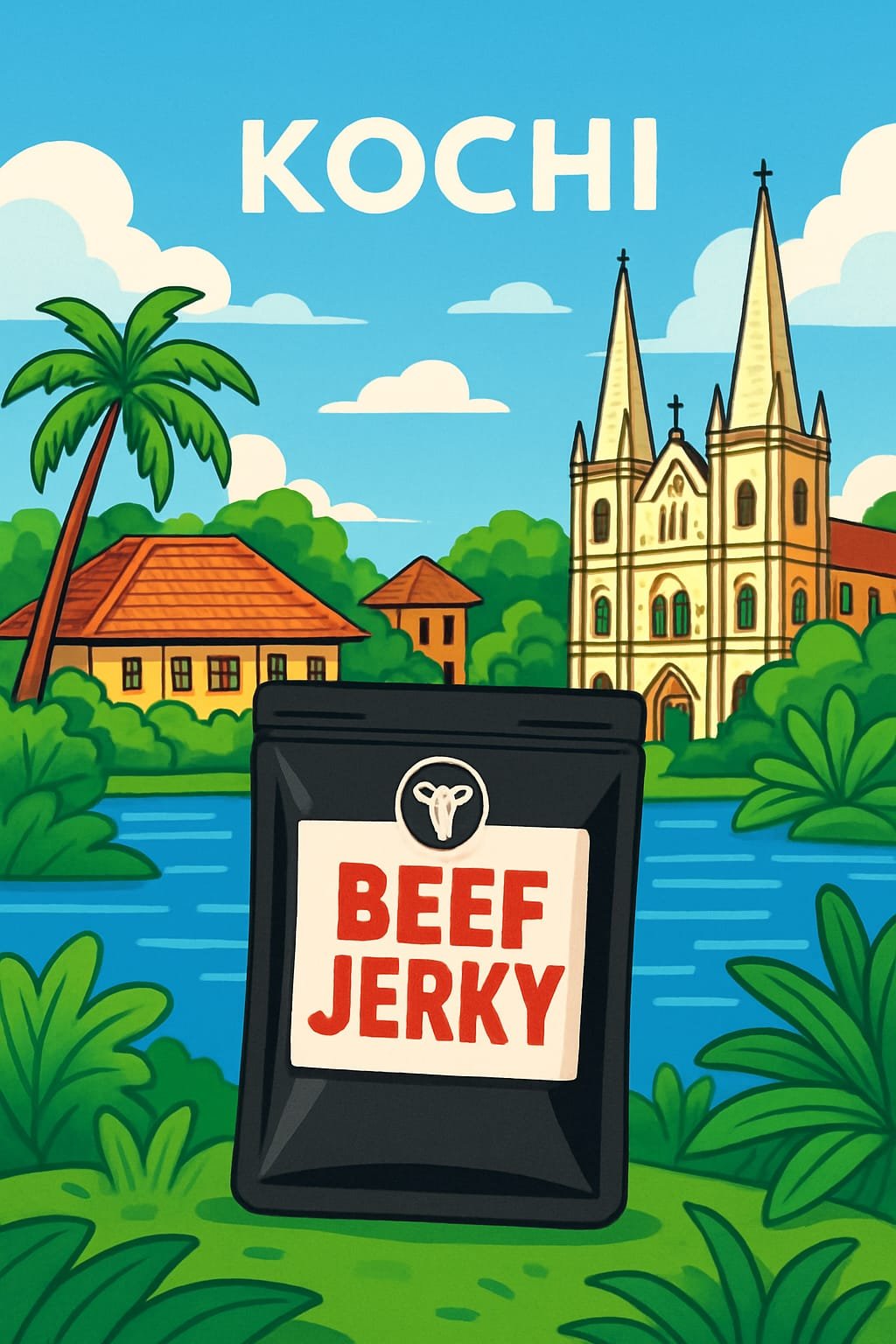
Kerala Spice Meets Jerky: Tradition Infused Snacks
The Rich Culinary Heritage of Kerala
The culinary landscape of Kerala is a vibrant tapestry woven from centuries of tradition, influenced by its geographic location, climate, and rich cultural history. Nestled on the southwestern tip of India, this region boasts a tropical climate that creates an ideal environment for cultivating a diverse array of spices and herbs. Kerala’s unique topography, with its lush greenery, backwaters, and hilly terrains, further enhances its agricultural diversity. As a result, spices such as black pepper, cardamom, cloves, cinnamon, and nutmeg have flourished, establishing Kerala as a pivotal player in the global spice trade.
The significance of these spices goes beyond mere flavor; they embody the cultural essence of Kerala. Black pepper, often referred to as the “king of spices,” plays a vital role in both traditional and modern cooking, bestowing dishes with its distinct heat and aroma. Cardamom, known for its sweet and fragrant profile, is equally revered and often featured in both savory and sweet preparations. Cloves, with their robust flavor, contribute depth and warmth to various Kerala delicacies. These spices not only enhance the taste but also represent the region’s historical trade routes that welcomed foreign influences, affirming Kerala’s standing as a melting pot of culinary styles.
The integration of local ingredients, such as coconut, rice, and seafood, further showcases the region’s culinary prowess. Together with traditional methods of cooking—often involving slow stewing or roasting—these elements create an unparalleled gastronomic experience. As Kerala’s culinary heritage continues to evolve, modern snacks, such as spicy jerky, draw inspiration from these traditional flavors, merging the old with the new. Consequently, the legacy of Kerala’s spices can be identified not only in classic dishes but also in contemporary culinary innovations, reflecting a rich historical continuum.
A Fusion of Flavors: The Birth of Kerala-Inspired Jerky
Fusion cuisine represents a culinary innovation where traditional flavors and cooking methods converge to create new and unique dishes. The concept has gained significant traction in recent years, with chefs and home cooks alike experimenting with diverse ingredients. A notable example of this trend is the adaption of jerky, a popular snack in various cultures, which has been creatively transformed by incorporating the rich tapestry of Kerala’s spices.
Jerky itself has a storied history, originating from Indigenous peoples in the Americas who dried meat as a means of preservation. Over centuries, various cultures around the globe have developed their interpretations of jerky, employing different meats and drying techniques. The rise of health-conscious snacking has reintroduced this age-old method into modern kitchens, providing an opportunity to experiment with flavors. In Kerala, a region known for its vibrant spices like black pepper, cardamom, and mustard seeds, jerky takes on an exciting new dimension.
The integration of these traditional Kerala spices into jerky infuses the snack with distinct flavor profiles. For instance, marinating meat in a blend of coriander and turmeric not only enhances taste but also offers health benefits, such as anti-inflammatory properties. Additionally, the use of curry leaves brings earthiness to the jerky, while the zing of mustard seeds adds a delightful crunch. Employing techniques such as slow-cooking and air-drying helps achieve that perfect balance between tenderness and chewiness, which is essential in enhancing the overall gustatory experience.
Ultimately, this innovative approach to jerky illustrates how cultural culinary practices can intertwine, leading to the development of snacks that celebrate tradition while embracing modern tastes. As Kerala-inspired jerky continues to gain popularity, it exemplifies the beauty of fusion cuisine, making traditional flavors accessible and enjoyable to a broader audience.