From Local Farms to Snack Bags: Our Jerky Supply Chain
Introduction to Jerky: A Savory Delight
Jerky, a beloved snack originating from ancient preservation techniques, has secured its place in modern diets as a nutritious and flavorful option. Traditionally made from lean meats, jerky is seasoned and dried to create a protein-rich snack that is both convenient and satisfying. With its diverse flavors and textures, jerky appeals to a wide array of consumers, from outdoor enthusiasts seeking energy on-the-go to health-conscious individuals aiming to incorporate more protein into their diets.
The process of making jerky allows various cuts of meat to shine, with flavors often enhanced through marinades and spices. Whether one prefers classic beef jerky, spicy turkey, or even vegan options made from plant-based ingredients, the choices are abundant. This wide variety ensures that jerky remains a versatile snack suitable for any palate. Additionally, the nutritional advantages are notable; jerky is low in carbohydrates and high in protein, making it an excellent choice for those following low-carb or ketogenic diets.
Understanding the origins of jerky is paramount for consumers and producers alike. As the market for snacks evolves, the emphasis on transparency in sourcing and production has become increasingly important. Knowing where jerky comes from not only affects consumer trust but also influences dietary choices that align with individual health and ethical standards. By exploring the journey of jerky from local farms to snack bags, we can appreciate the intricate supply chain that supports this savory delight. This understanding ultimately empowers consumers to make informed decisions while supporting sustainable practices within the food industry.
The Importance of Local Farms in Jerky Production
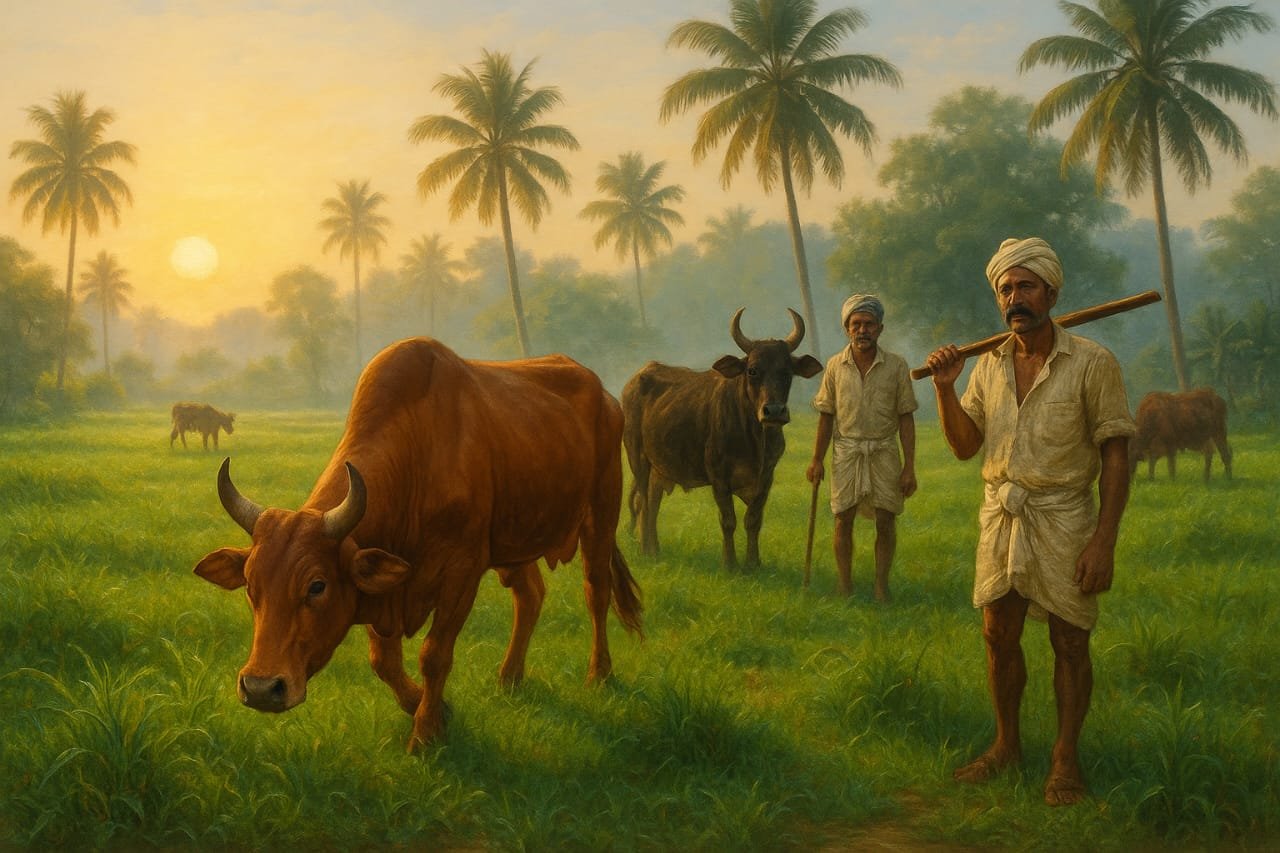
Local farms play a crucial role in the jerky production supply chain, acting as primary sources for high-quality meat. These farms typically operate on a smaller scale, allowing for more sustainable farming practices that result in fresher products. The proximity of these farms to jerky producers enhances the quality of the meat, as it reduces the time between harvesting and processing. This freshness is an essential factor in creating a superior jerky product, as it significantly impacts flavor, texture, and overall quality.
Moreover, supporting local agriculture fosters a symbiotic relationship between farmers and jerky producers. By sourcing meat from nearby farms, jerky producers can ensure that they are using ethically raised animals, which is increasingly important to conscious consumers. Local farms often use responsible animal husbandry practices that prioritize animal welfare and environmentally sustainable techniques. This reflects a growing market trend towards transparency and ethical sourcing in food production.
In addition to ensuring high-quality ingredients, local farms contribute positively to the community. When jerky producers invest in local agriculture, they help to sustain rural economies, providing farmers with a reliable market for their meat. This support can have a ripple effect, creating jobs not only in farming but also in processing and distribution. By collaborating with local farms, jerky companies can promote economic stability in their regions, thereby strengthening community ties.
Sourcing from local farms offers several advantages, including a reduction in carbon footprint by minimizing transportation distances. The emphasis on local sourcing contributes to more sustainable practices, fostering both a healthier environment and vibrant local economies. Hence, the partnership between jerky producers and local farms is not merely beneficial; it is essential for creating high-quality products that consumers appreciate.
Sourcing Quality Ingredients: The First Step
The journey of creating high-quality jerky begins with the careful sourcing of ingredients. Companies prioritize the selection of top-notch meat and complementary ingredients to ensure that the final product meets the highest standards of taste and nutrition. The selection process involves establishing stringent criteria that evaluate various factors, including the origin of the meat, the treatment of the livestock, and the conditions under which they are raised. Sustainable and ethical sourcing is critical, as it directly influences not only the quality of the meat but also the overall integrity of the supply chain.
When sourcing meat for jerky production, it is essential to consider several aspects, such as the type of meat, its fat content, and the cut used. Typically, lean cuts such as beef brisket, eye of round, or flank steak are preferred for jerky because they yield a product with optimal texture and flavor. Suppliers are often screened to ensure they adhere to quality standards, including proper animal welfare practices and minimal use of hormones and antibiotics. This focus on sourcing quality meat strengthens the commitment to producing a delicious and healthy snack.
In addition to meat, other ingredients—such as seasonings, marinades, and natural preservatives—play an integral role in the jerky-making process. Sourcing these ingredients from reputable suppliers guarantees that the products are free from artificial additives and are rich in flavor. Companies look for organic spices and marinades that not only enhance the taste but also contribute to the nutritional profile of the jerky. By establishing strong partnerships with local farms and suppliers, businesses can maintain control over the quality of ingredients, thereby ensuring that the jerky produced is both tasty and of high integrity.
The meticulous process of sourcing quality ingredients is a fundamental first step in creating jerky that stands out in a crowded market. Quality assurance not only affects flavor but also establishes trust with consumers who increasingly seek transparency in food sourcing.
Processing Facilities: Transforming Meat into Jerky
The transformation of raw meat into jerky occurs in specialized processing facilities equipped with advanced machinery and strict adherence to safety protocols. These facilities are designed to streamline the conversion of high-quality meats into delicious jerky while maintaining the necessary hygiene and safety standards. Upon arrival, the meat undergoes a thorough inspection to ensure it meets the required quality specifications before processing begins.
Processing typically starts with the selection and trimming of the meat. Cuts of beef, turkey, or pork are commonly chosen for their flavor and texture. Facilities utilize machines such as slicers and tenderizers to create uniform pieces that facilitate consistent curing and drying. Larger equipment, such as smokers and dehydrators, is employed to infuse flavors and reduce moisture content, a critical step in enhancing shelf life while creating the signature jerky texture.
The techniques used in these facilities vary widely, ranging from traditional methods like smoking to modern approaches involving vacuum sealing and air drying. Innovative flavor infusions, marinations, and seasoning applications are often explored, catering to diverse consumer preferences. Additionally, facilities are designed to be energy-efficient and environmentally friendly, integrating sustainable practices such as waste reduction and resource recycling.
Safety regulations also play a crucial role in jerky production. Facilities must comply with the guidelines set forth by organizations such as the Food Safety and Inspection Service (FSIS). This includes implementing Hazard Analysis and Critical Control Points (HACCP) plans to identify potential hazards and monitor critical points during processing. Regular audits and inspections help ensure compliance with food safety standards, safeguarding both product quality and consumer health. As a result, the facilities work diligently to transform meat into jerky that not only tastes great but is produced in a safe and responsible manner.
Flavoring and Seasoning: Crafting Unique Recipes
The process of creating jerky transcends mere dehydration; it encompasses a culinary artistry that focuses on flavoring and seasoning. The captivating world of jerky production invites producers to experiment with various ingredients, allowing them to craft unique recipes that cater to diverse palates. A paramount aspect of this creative journey is the use of marinades, which serve as foundational elements in imparting flavor to the meat. These marinades often incorporate a blend of salty, sweet, sour, and spicy components, harmonizing to create a well-rounded taste profile.
Different types of flavors emerge from regional and cultural inspirations, leading to innovative combinations that capture the essence of each recipe. For instance, a teriyaki marinade might integrate soy sauce, ginger, and brown sugar, while a spicy variant could utilize hot sauces or crushed red pepper to achieve the desired heat. Producers often engage in experimental practices, using unexpected ingredients like coffee or fruit juices to enrich their flavor profiles. This creativity not only contributes to the distinctiveness of their jerky products but also allows for the personalization of flavors to meet consumer preferences.
However, the challenge lies in balancing taste and preservation. The seasoning choices must not only enhance the flavor but also aid in the jerky-making process’s overall preservation. Certain spices, such as garlic or black pepper, possess natural antimicrobial properties that can help extend the shelf life of the finished product. Thus, the careful selection and application of flavorings and seasonings become essential. Producers must consider the intricate balance of flavor and food safety, ensuring that their final products are both delicious and durable. This blend of creativity and science is what fuels the jerky supply chain, culminating in enjoyable snacks that celebrate culinary innovation.
Packaging and Distribution
The packaging process of jerky plays a crucial role in preserving its freshness and extending its shelf life. Before the jerky is packed, it undergoes stringent quality control measures to ensure that only the highest quality product reaches the consumer. Once approved, the jerky is placed into vacuum-sealed bags, which effectively eliminate air and moisture. This method not only maintains the flavor and texture of the jerky but also inhibits the growth of bacteria, thus ensuring safe consumption over an extended period. The choice of packaging materials is also vital; they are selected not only for their ability to preserve the jerky but also for their sustainability, addressing both consumer demand for environmentally friendly products and industry regulations.
After the packaging process, the distribution of jerky is undertaken through several logistical strategies. Companies often partner with various local and national retailers to maximize their reach. This partnership allows consumers to find jerky at convenient locations, whether that be in local grocery stores, gas stations, or specialized health food shops. In addition to physical retail, e-commerce has become an increasingly popular way for consumers to purchase jerky directly from manufacturers or through online marketplaces. This trend has necessitated a robust and efficient distribution network capable of handling the challenges of shipping perishable goods.
Logistics plays a vital role in this supply chain, involving careful planning to ensure timely deliveries while maintaining product integrity throughout transportation. Temperature control during shipping is particularly important, as fluctuations can adversely affect the quality of the jerky. Overall, the combination of efficient packaging techniques and thoughtful distribution methods ensures that consumers enjoy a fresh, safe, and high-quality jerky experience, reinforcing the success of this popular snack in the market.
Sustainability Practices in the Jerky Supply Chain
The sustainability of the jerky supply chain has become a significant focus within the meat industry, as consumers increasingly demand environmentally responsible practices. One of the critical aspects of enhancing sustainability involves ethical sourcing of meat. Local farms often promote sustainable farming practices, ensuring humane treatment of animals and reducing transportation emissions by sourcing ingredients closer to production facilities. This localized approach supports community economies and helps diminish the carbon footprint associated with long-distance shipping.
Waste reduction is another essential component of a sustainable jerky supply chain. Many jerky manufacturers are adopting innovative solutions to minimize food waste. For instance, using cuts of meat that are typically discarded can not only reduce waste but also add diversity to the flavor profiles of the jerky. Moreover, by implementing efficient production techniques, companies are reducing excess waste created during manufacturing. Packaging is also evolving, with many brands turning to biodegradable or recyclable materials to mitigate environmental impacts further.
Additionally, the impact of meat production on the environment cannot be overlooked. Jerky production is closely linked to broader conversations around livestock farming’s effects on climate change, land use, and biodiversity. Many jerky producers are investing in regenerative agricultural practices that focus on improving soil health, reducing chemical inputs, and promoting biodiversity. These practices not only enhance the sustainability of meat production but also contribute positively to the ecosystem. By prioritizing these comprehensive sustainability practices, the jerky supply chain can evolve to meet consumer expectations while minimizing its ecological footprint.
Consumer Awareness: Making Informed Choices
In today’s market, consumer awareness has emerged as a crucial factor for individuals looking to make informed choices regarding the jerky products they purchase. The decisions made at the point of sale can have significant implications not only for personal health but also for broader ethical considerations surrounding food sourcing and production. To navigate this landscape effectively, it is essential for consumers to understand labeling practices, the ingredients used in jerky, and the background of the brands they are considering.
Firstly, examining the label is of paramount importance. Consumers should look for clear and concise ingredient lists, focusing on natural and recognizable elements. Products with lengthy and complex ingredient lists often indicate the presence of preservatives, artificial flavors, or MSG. By prioritizing jerky that features high-quality meats and minimal additives, consumers can ensure they are not just indulging in a tasty snack, but also making a healthier choice.
Additionally, understanding ingredient sourcing is vital for informed consumer decisions. Many brands emphasize their commitment to sustainable and ethical sourcing practices, which can positively impact animal welfare and support local farmers. By choosing jerky products that are transparently sourced from trusted farms and suppliers, customers become part of a conscious consumer movement that values quality and responsibility over mere convenience.
Moreover, consumers should familiarize themselves with brand reputations. Trustworthy brands that prioritize transparency often provide detailed information about their sourcing practices, production methods, and quality assurance processes. Engaging with such companies through their websites and social media can yield insights into their commitment to both product quality and ethical practices. Ultimately, making informed choices about jerky products empowers consumers to contribute to a more transparent and sustainable supply chain.
Conclusion: The Journey of Jerky from Farm to Bag
In reflecting on the journey of jerky from local farms to snack bags, it becomes evident that each step of this supply chain plays a critical role in delivering a finished product that is not only tasty but also crafted with care. The process begins with the dedicated farmers who prioritize sustainable practices, ensuring that the livestock raised for jerky is healthy and well-treated. These farmers form the foundational link in the jerky supply chain, showcasing the importance of supporting local agriculture and promoting ethical farming practices.
As the meat moves from the farm to production facilities, skilled artisans and manufacturers carry the torch forward, utilizing time-honored methods alongside modern techniques to create high-quality jerky. This phase emphasizes not only craftsmanship but also the significance of food safety and quality control, assuring consumers that their snacking choices are both delicious and safe. The careful selection of spices, marinating processes, and drying methods highlights the attention to detail that ultimately shapes the character of the final product.
Consumers play an equally vital role in this chain, as their preferences influence production decisions. By choosing jerky products that are sourced sustainably and transparently, consumers contribute to an ecosystem that values quality over quantity. Supporting brands that prioritize ethical practices helps to foster a sustainable food system and encourages other producers to adopt similar values.
Thus, understanding the interconnectedness of local farms, production processes, and consumer choices sheds light on the broader implications of our eating habits. The journey of jerky illustrates the importance of recognizing where our food originates and the impacts it has on both the environment and local communities. By being informed, we can make choices that not only satisfy our cravings but also support the values of sustainability and ethical food sourcing.