
Exploring Global Jerky Styles: American, Asian, and Kerala Varieties
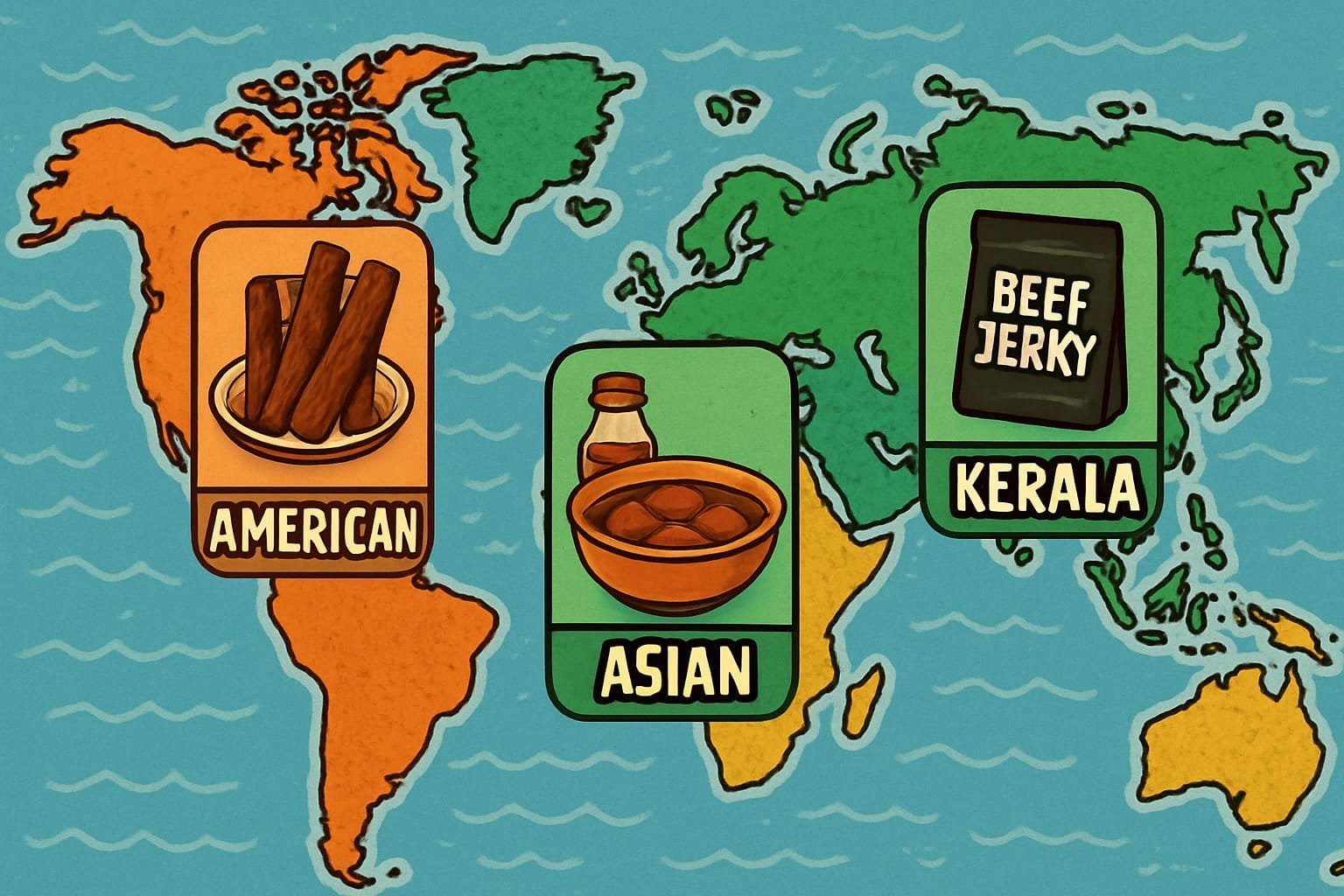
Introduction to Jerky
Jerky, a renowned dried meat snack, has roots that trace back thousands of years. This convenient food item has been consumed by various cultures around the globe, originally developed as a method of preservation for meats. Historically, indigenous peoples of the Americas were among the first to create jerky, utilizing techniques such as air drying and smoking to prolong the shelf life of meat. This method proved vital for survival during long journeys and harsh winters, allowing food to be stored without refrigeration.
The general process of making jerky involves marinating fresh meat in a mixture of salt, spices, and other flavorings before it is dehydrated. This not only enhances the taste but also inhibits the growth of bacteria, ensuring the product remains edible for an extended period. While beef jerky is the most common variety found today, especially in the United States, jerky can also be made from a wide range of meats including turkey, pork, and even fish, catering to diverse dietary preferences.
The evolution of jerky has led it to become a modern snacking staple. In recent years, the rise of health-conscious consumers has prompted a resurgence in the popularity of jerky as a high-protein, low-carb snack option. Furthermore, jerky has transcended its traditional image, offering an array of flavors and styles influenced by regional cuisines. For example, in Asian cultures, jerky is often sweetened and spiced, presenting a contrasting flavor profile to its Western counterparts.
Jerky’s significance extends beyond mere sustenance; it symbolizes adaptability and cultural heritage. As a product deeply rooted in history, it continues to evolve, reflecting both traditional methods and contemporary trends. With its unique qualities, jerky remains an enduring favorite, appealing to a variety of consumers looking for a portable snack that delivers on both flavor and nutritional value.
The American Jerky Style
American jerky is a quintessential snack that has evolved significantly over the years. Traditionally made from beef, this dried meat product is available in various types, including turkey and exotic meats like venison, bison, and even alligator. The versatility of jerky allows for a wide range of flavor profiles, appealing to diverse palates across the nation.
The seasoning blends used in American jerky often incorporate salt, pepper, garlic powder, and various sugar types, which serve to enhance the meat’s natural flavor while ensuring its preservation. More adventurous recipes take inspiration from regional tastes, incorporating spices like Cajun seasoning in Louisiana or pepper blends popular in the Southwest. Craftsmanship in jerky production is evident as many artisanal producers experiment with unique flavor infusions, such as teriyaki or smoky chipotle, to create distinctive offerings.
Smoking techniques further refine the flavor of American jerky. Traditionally, the use of hardwoods like hickory, mesquite, or applewood adds a rich, smoky essence that complements the dried meat. The process of smoking can take varying amounts of time, depending on the desired intensity of flavor and texture. Additionally, some brands offer dehydrated jerky that skips the smoking process altogether while still delivering satisfying taste and texture.
Across the United States, jerky showcases regional variations. For instance, Western states often favor thicker cuts of meat, while the East Coast may lean towards marinated options with a softer texture. The popularity of jerky extends beyond just snacks; it has become a staple during outdoor activities such as hiking, camping, and tailgating. This rich cultural significance positions jerky not just as a tasty treat but as an emblem of American snack culture, embodying the spirit of adventure and exploration.
A Taste of Asian Jerky
Asian jerky presents a fascinating array of flavors and textures, distinct from its American counterpart. In regions such as China, Japan, and Indonesia, jerky is crafted using a variety of techniques and ingredients that impart unique characteristics to the final product. One prevalent method involves marinating meat in savory soy sauce, often mixed with spices such as garlic, ginger, or sesame oil, leading to a richly flavored jerky that is both tender and slightly chewy.
Chinese jerky, known as “rou gan,” is typically made from pork, although other meats such as beef and chicken are also used. The meat is often cut into thin strips, marinated for several hours, and subsequently air-dried or barbecued to achieve a smoky essence. This preparation method not only enhances the flavor but also serves to preserve the meat, allowing it to be enjoyed over extended periods. The cultural significance of this jerky is notable, as it is traditionally consumed during festivals or as a travel snack, reflecting the deep culinary heritage of the region.
In Japan, jerky, often referred to as “sukiyaki,” takes on a slightly different form, emphasizing sweetness through the inclusion of mirin—a sweet rice wine—and sugar in the marinade. This variety is often associated with a snack culture that celebrates convenience and taste, making it popular among busy urban dwellers. Meanwhile, Indonesia offers its own spin with “rendang,” showcasing a rich blend of coconut milk and spices which results in a more robust and aromatic jerky experience.
Overall, the jerkies across these Asian cultures highlight diverse flavor profiles and preparation methods, underscoring their significance within local communities. Unlike the dryer, more traditionally spiced American jerky, Asian styles embrace ranges from sweet to spicy, serving as a reflection of their respective culinary heritages and regional preferences.
The Kerala Twist on Jerky
Kerala, located in the southwestern part of India, boasts a culinary tradition that is rich in flavors and history, and its unique approach to jerky is no exception. Known locally as ‘maas’ or ‘karimeen’ fry, this variation of jerky is typically made from both fish and meat, employing traditional methods that have stood the test of time. The essence of Kerala jerky lies in its exquisite use of local spices and techniques that create distinct taste profiles, setting it apart from western counterparts.
The process of making Kerala jerky begins with the careful selection of fresh seafood or meats, often sourced from local markets. After being cleaned and filleted, the ingredients are marinated with a blend of spices that may include turmeric, chili powder, garlic, and local favorites like black pepper and coriander. The marinade’s heat and aroma reflect Kerala’s robust flavor heritage. Following the marination, the fish or meat is sun-dried or smoked, which not only enhances the flavor but also acts as a preservation method — a technique that has been used for centuries in this coastal region.
Kerala jerky holds a significant place in the state’s cultural fabric. It is commonly featured in traditional festivals and gatherings, serving as both an accompaniment to meals and a delightful snack. The preparation of jerky can often be viewed as an expression of culinary craftsmanship, passed down through generations. The social aspect of sharing jerky during celebrations illustrates its role in fostering community ties. Moreover, with the rise of global interest in artisanal food products, Kerala’s unique jerky variations have begun gaining recognition beyond regional confines, inviting culinary enthusiasts to explore the richness of its flavors and cultural significance.
Comparative Analysis of Jerky Styles
Jerky, a form of preserved meat, is renowned for its varying styles across different cultures, each possessing distinct preparation techniques, flavor profiles, and cultural significance. Through a comparative analysis of American, Asian, and Kerala jerky styles, one can appreciate the unique attributes that define each variety.
In the United States, jerky is primarily made from beef, although turkey and other meats may also be used. The preparation method usually involves marinating the meat in a blend of spices, soy sauce, and other flavoring agents, followed by a dehydration process to remove moisture while concentrating the flavors. American jerky typically showcases a savory and bold profile, with flavors ranging from peppery to sweet. The convenience of this snack aligns perfectly with the fast-paced American lifestyle, making it a popular choice for outdoor enthusiasts and casual consumers alike.
Contrastingly, Asian jerky encompasses a broader range of meat types, including pork, chicken, and even fish. In places like China, the use of ingredients like five-spice powder and honey results in a sweet and aromatic flavor profile. The drying techniques can vary; some regions prefer a smoking process, adding complexity to the taste. Asian jerky often features a blend of chewy and tender textures, reflecting the culinary traditions and preferences of the region. It is not merely a snack, but also an integral part of cultural celebrations and gifting practices.
In Kerala, a state in southern India, jerky takes on a unique form known as “dried fish” or “karuvadu,” often made from species like sardines or mackerel. The preparation involves marination with spices, tamarind, and salt, followed by sun-drying, which imbues the jerky with a distinctly robust flavor profile. The cultural context of this variety is significant; it reflects the coastal lifestyle and serves as both a staple food and a delicacy for special occasions.
While each jerky style is distinct in its composition and cultural relevance, they share a common purpose: to create a durable and flavorful snack that transcends geographical boundaries. The appreciation of jerky in these diverse forms demonstrates the art of preserving food while showcasing regional tastes and traditions.
Health Benefits of Jerky
Jerky is a popular snack option that has garnered attention not only for its taste but also for its nutritional profile. One of the most prominent advantages of jerky is its high protein content. Typically made from lean cuts of meat, such as beef, turkey, or pork, jerky can provide a substantial amount of protein in a single serving, making it an excellent choice for those seeking to increase their protein intake. This characteristic is particularly valuable for individuals who are active or seeking to build muscle, as protein is essential for repairs, maintenance, and overall bodily functions.
In addition to being high in protein, jerky is generally low in carbohydrates, which can be beneficial for those following low-carb or ketogenic diets. This property makes jerky a convenient and satisfying snack that can help manage hunger without significantly impacting blood sugar levels. Furthermore, the long shelf life of jerky provides a practical solution for busy lifestyles, allowing for nutritious snacking on the go.
However, it is important to note that many commercially available jerky products can be high in sodium and may contain preservatives. High sodium intake has been linked to various health concerns, including hypertension and heart disease. To mitigate these risks, it may be advantageous for consumers to explore homemade jerky options. By preparing jerky at home, individuals have complete control over the ingredients, enabling them to use less salt and avoid artificial preservatives. Homemade jerky can be a healthier alternative while still providing the same rich flavors and textures that jerky enthusiasts crave.
In conclusion, jerky offers a variety of health benefits, particularly its protein-rich and low-carb nature. While there are concerns regarding sodium and preservatives in store-bought varieties, opting for homemade jerky can provide a healthier solution without sacrificing taste.
Tips for Making Jerky at Home
Creating your own jerky at home can be an enjoyable and rewarding experience. The first step is to gather essential tools and ingredients. You will need high-quality meat, which can be beef, chicken, turkey, or even fish. It’s important to choose lean cuts, as fat can lead to spoilage. Common cuts for beef jerky include flank steak, sirloin, and round. In addition to meat, you will require a good quality knife for slicing, a cutting board, and a food dehydrator or an oven which can maintain a low temperature.
Once you have your ingredients and tools ready, the marination process is crucial in developing rich flavors. A basic marinade can consist of soy sauce, Worcestershire sauce, garlic powder, onion powder, and black pepper. It’s advisable to marinate the meat for at least four hours or overnight to ensure that the flavor penetrates well. If you prefer an even more robust taste, consider experimenting with spices or hot sauces to tailor the flavor profile to your liking.
After marinating, it’s time to slice your meat into thin strips, ideally around one-quarter inch thick. Consistent thickness helps achieve even drying. Arrange the strips in your dehydrator or oven, ensuring there’s enough space for air circulation. If using an oven, keep the temperature between 145°F and 160°F, which is essential to ensure safety and longevity. Drying may take anywhere from four to eight hours, so regularly check for the desired texture—jerky should be firm yet still slightly pliable when finished.
Lastly, storing your finished jerky is paramount for maintaining freshness. Use airtight containers or vacuum seal bags to minimize exposure to air and moisture. Keep jerky in a cool, dark place, or refrigerate for extended shelf life. By following these tips, you can create delicious jerky at home that rivals store-bought varieties.
Jerky Around the World: Other Notable Varieties
While American, Asian, and Kerala jerky varieties are popular and well-known, there are numerous other styles of jerky to explore around the globe. Each region offers unique flavors and textures that are shaped by local ingredients, preparation methods, and cultural preferences. One notable variety is South African biltong, a form of dried meat that is often made from beef or game. Unlike traditional jerky, biltong is cured with vinegar and seasoned with a blend of spices, resulting in a tender, flavorful product. Its distinct taste profile is frequently enhanced by the use of coriander seeds and pepper, making it a delightful option for those looking to expand their jerky experience.
Another interesting style is the Brazilian carne seca, which translates to “dried meat.” This variety is typically made from flanks of beef that are salted and dried under the sun. Carne seca is commonly used in various Brazilian dishes, such as feijoada, a traditional black bean stew. Its robust flavor and chewy texture make it a favorite among meat enthusiasts, offering a taste of authentic Brazilian cuisine.
Additionally, one cannot overlook the Asian varieties that extend beyond the standard offerings. For example, Chinese bakkwa is a type of sweet and smoky jerky made from marinated pork that is grilled, giving it a distinct char and flavor that sets it apart from its counterparts. Another variation includes Filipino tapa, which consists of marinated beef that is dried and often served with rice. Each of these jerky styles presents unique characteristics, inviting adventurous eaters to discover new and exciting tastes.
As culinary enthusiasts seek to broaden their palate, exploring these global jerky styles can be an enriching experience. By delving into the diverse world of jerky, individuals can appreciate the multifaceted nature of this traditional delicacy, celebrating the different cultures and flavors that contribute to its ongoing popularity.
Conclusion: The Global Love for Jerky
In exploring the diverse world of jerky, it is evident that this beloved snack transcends borders and cultures. From the well-known American beef jerky, with its myriad of flavors and textures, to the exotic varieties found in Asia and the unique interpretations in Kerala, jerky showcases an array of culinary innovations shaped by regional preferences and available resources. Each style of jerky not only reflects the cultural identity of its origin but also highlights the universal love for this protein-rich snack.
As jerky continues to gain popularity across the globe, it encourages culinary experimentation and appreciation. Many regions have embraced their traditional ingredients and methods to create variations that appeal to both local and international palates. Asian jerky, for example, often combines sweet and savory marinades that bring a distinct taste profile, while Kerala’s version may integrate spices and flavors typical to South Indian cuisine, providing a rich sensory experience for those who partake.
Readers are thus invited to engage with this global phenomenon by exploring various styles of jerky available in their local markets. Whether sampling a spicy Szechuan beef jerky or indulging in the unique flavor combinations from Kerala, the experience offers an exciting journey through flavors. Sharing personal experiences with different jerky styles can also foster a deeper appreciation for the cultural significance of this snack, bridging connections between diverse culinary traditions. The world of jerky, with its endless possibilities and adaptability, serves as a delicious reminder of how food can unite us all, regardless of our backgrounds.