The Role of Dehydration in Meat Preservation
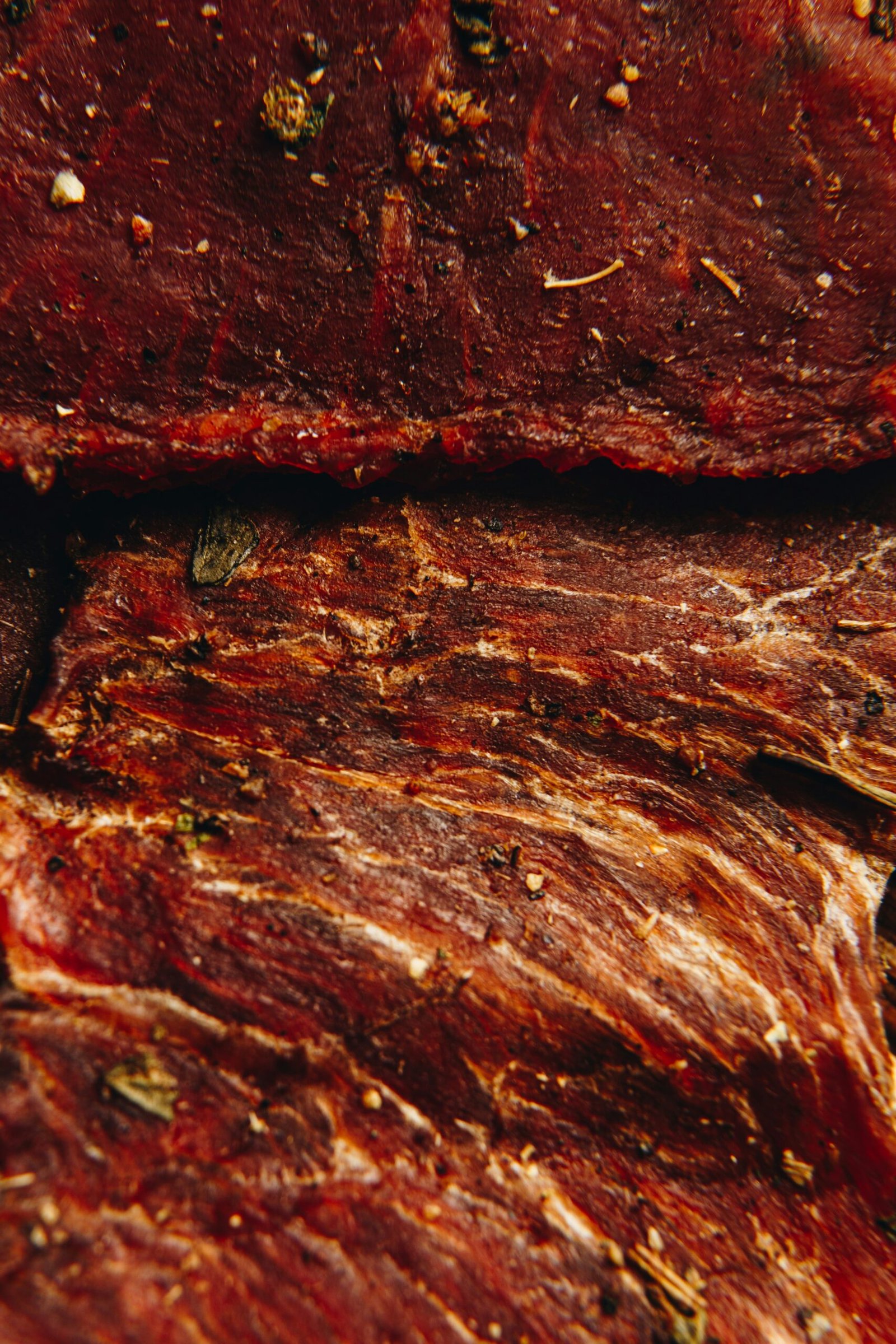
Understanding Dehydration as a Preservation Method
Dehydration is a time-honored method of food preservation that plays a crucial role in extending the shelf life of various foods, particularly meat. The fundamental principle of dehydration involves the removal of moisture from meat, which is a key factor in preventing the growth of spoilage-causing microorganisms, including bacteria, molds, and yeasts. By reducing the water content, dehydration creates an inhospitable environment for these agents, thereby preserving the integrity and safety of the meat.
The history of dehydration as a preservation method dates back thousands of years, with ancient civilizations utilizing the sun’s heat and wind to dry meats. This technique was essential for people who depended on seasonal hunting, allowing them to store their meat efficiently for leaner times. Over the centuries, dehydration practices have evolved significantly, transitioning from rudimentary methods to advanced technologies that enhance the efficiency and efficacy of moisture removal. Today, techniques such as freeze-drying and air drying have gained popularity, providing high-quality dehydrated products with prolonged shelf life.
Modern dehydration methods often utilize controlled environments, allowing for more precise control over temperature and humidity. This advancement ensures that meat is dried evenly, reducing the likelihood of spoilage and enhancing flavor retention. In addition to its preservative capabilities, dehydrated meat is lightweight and easy to transport, making it a favored option for outdoor activities and emergency preparedness. Its versatility allows it to be used in a variety of culinary applications, including soups, stews, and snacks, showcasing its significance not only in preservation but also in modern cuisine. Overall, understanding the principles and history of dehydration is essential for appreciating its ongoing relevance in meat preservation today.
The Dehydration Process: Methods and Techniques
Dehydration is a vital technique in the preservation of meat, providing a safe and effective means to reduce moisture levels and prevent spoilage. Various methods can be employed, each with its own benefits and challenges. Traditional techniques include air drying and sun drying, which have been utilized for centuries.
Air drying involves hanging meat in a well-ventilated area, allowing natural air currents to gradually remove moisture. This method is low-cost and requires minimal equipment. However, it is susceptible to environmental factors such as humidity and temperature, making it less reliable in certain climates. Sun drying, on the other hand, utilizes direct sunlight to achieve dehydration. While it can yield flavorful results, proper care must be taken to avoid insect contamination and uneven drying, which can lead to spoilage.
Modern techniques of meat dehydration include freeze-drying, which entails freezing the meat and then reducing the surrounding pressure to allow the ice to sublimate directly into vapor. This method effectively retains the meat’s nutrients and flavor, making it highly sought after, especially for long-term storage and expeditions. However, freeze-drying equipment can be expensive and may not be practical for home preservation.
Using a dehydrator or oven is another convenient method that allows for controlled heating and airflow. Dehydrators are specifically designed for this purpose, providing optimal conditions for even dehydration. Ovens can also be used, but special care must be taken to maintain low temperatures to prevent cooking the meat. It is crucial to monitor drying times carefully to achieve the desired texture and flavor while ensuring food safety.
In conclusion, selecting the appropriate dehydration method depends on the available resources, desired flavor profile, and environmental conditions. Understanding the advantages and disadvantages of each technique will aid in making informed decisions for effective meat preservation.
Impact of Dehydration on Nutritional Value and Flavor
Dehydration is a time-honored method used for preserving meat, and it significantly influences both nutritional value and flavor. The process of removing moisture from meat not only prolongs its shelf life but also alters its nutritional composition. One of the primary concerns during dehydration is the retention of proteins, fats, and vitamins. While dehydration does lead to a concentration of certain nutrients, it can also result in some nutrient loss. For instance, heat-sensitive vitamins such as B-complex vitamins may diminish during the dehydration process due to prolonged exposure to high temperatures.
Despite these losses, meat maintains its essential protein content, which remains largely unaffected. The concentration of proteins can even enhance the nutritional profile, particularly in dried meats such as jerky. Fats, while also concentrated, require careful attention during dehydration because they can become rancid, affecting both flavor and safety. Proper dehydration techniques can mitigate these risks, ensuring the meat retains both its nutritional integrity and palatability.
Moreover, dehydration profoundly impacts the flavor profile of meat. The removal of moisture intensifies flavor components, making the taste more robust and concentrated. This phenomenon can result in a unique taste experience that is particularly desirable in various cuisines, where dried meats often feature prominently. The process also contributes to changes in texture, making the meat chewier and sometimes more appealing in specific culinary applications.
In summary, while dehydration affects the nutritional value of meat, vital nutrients such as proteins still remain, allowing for a preserved yet nutritious food option. Additionally, the enhancement of flavor due to moisture removal makes dehydration a favorable preservation technique that is celebrated across diverse culinary traditions.
Safety Considerations and Best Practices in Dehydrating Meat
When dehydrating meat, ensuring safety is paramount to prevent foodborne illnesses. The selection of fresh meat is the first critical step in the dehydration process. Opting for high-quality cuts that are free from blemishes and off-odors is advisable. Choosing lean meats, such as chicken breast or beef round, minimizes the presence of fat, which can turn rancid during storage and adversely affect the quality of the dehydrated product.
Prior to dehydration, proper preparation methods must be implemented. This includes trimming away any excess fat and connective tissues, as well as marinating the meat if desired. It is essential to marinate at refrigeration temperatures to inhibit bacterial growth. Additionally, preheating the meat at a temperature of at least 160°F (71°C) is recommended for poultry and 165°F (74°C) for ground meats; this step helps in reducing the initial microbial load and fortifies food safety.
Once prepared, achieving the right dehydration temperatures and times is vital. The USDA recommends dehydrating meat at a minimum temperature of 145°F (63°C) to ensure that harmful bacteria, like Salmonella and E. coli, are effectively eliminated. Depending on the type of meat and humidity levels, the dehydration process can take anywhere from 6 to 12 hours, hence monitoring the moisture content is necessary to determine doneness. The meat should be dry but still pliable, as an overly dry product could lead to brittleness and deteriorate its texture.
After drying, proper storage of dehydrated meats significantly influences their safety and shelf life. Storing in airtight containers or vacuum-sealed bags is highly recommended, as it helps keep moisture at bay. For extended storage, placing the containers in a cool, dark place can further prolong the product’s integrity. When rehydrating, it is essential to bring the dried meat back to appropriate temperatures to ensure any potential pathogens are killed, allowing for a safe and enjoyable consumption experience.