How Is Beef Jerky Made? Behind the Scenes at Kochin Jerky
The Origins of Beef Jerky: A Brief History
Beef jerky’s origins can be traced back to ancient civilizations that sought practical methods for food preservation. The practice of drying meat has been recorded throughout history, predominantly in regions where fresh meat was not consistently available. When early humans discovered that removing moisture from meat significantly extended its shelf life, they effectively laid the groundwork for what we now know as jerky.
Indigenous tribes in the Americas were among the first to popularize this method, using natural resources to create flavorful and durable nourishment. Various tribes developed their distinct techniques, employing a combination of sun drying, smoking, and the addition of native spices and herbs. This early form of jerky not only served as sustenance during long travels or harsh winters but also played a crucial role in trade among different tribes.
Over the centuries, the technique of preserving meat evolved across cultures. For instance, ancient Chinese methods involved marinating meat in soy sauce and spices before air-drying. Similarly, in Africa, dried meat known as biltong became a staple, flavored with a variety of seasonings, showcasing the diverse ways cultures adapted to their environments. As trade routes expanded, these methods influenced one another, leading to a rich tapestry of meat preservation practices worldwide.
In the modern era, innovative production techniques have transformed beef jerky from a survival necessity into a popular snack. Today, the manufacturing process integrates various ingredients, including marinades, seasonings, and even specific curing agents, that enhance flavor while maintaining the essential qualities of traditional jerky. This historic journey from ancient preservation methods to contemporary snacks illustrates the significance of beef jerky in various cultures, paving the way for the intricate operations at Kochin Jerky.
Sourcing Quality Ingredients: The Foundation of Great Jerky
The quality of beef jerky is fundamentally rooted in the ingredients used during its production. At Kochin Jerky, meticulous care is exercised in selecting only the finest cuts of beef. The process begins with a thorough examination of various meat cuts, focusing primarily on those that provide the best balance of flavor and texture. Typically, cuts such as sirloin or flank steak are preferred, as they offer a robust taste profile while maintaining the right amount of lean meat essential for jerky. Sourcing from reputable suppliers who adhere to rigorous safety standards ensures that the meat used is not only high in quality but also safe for consumption.
Moreover, Kochin Jerky places a high emphasis on sustainable and ethical farming practices. By choosing to partner with farms that prioritize humane treatment of animals, the brand stands by its commitment to ethical sourcing. This dedication to animal welfare not only aligns with consumers’ growing awareness of sustainability but also resonates with the growing market for ethically produced food products. The traceability of the beef back to its source is a fundamental principle at Kochin Jerky, allowing consumers to feel confident in their choice while enjoying a product that meets high ethical standards.
In addition to the quality of the meat, the selection of spices and marinades plays an equally pivotal role in distinguishing Kochin Jerky from its competitors. Unique blends crafted from high-grade spices and natural ingredients are utilized to enhance the flavor profiles of the jerky. For instance, marinades that incorporate local ingredients and distinctive spice combinations contribute significantly to the overall eating experience. This attention to detail in ingredient selection is what ultimately sets Kochin Jerky apart in a crowded marketplace, producing a final product that not only excites the palate but embodies a commitment to quality.
The Making Process: From Beef to Jerky
At Kochin Jerky, the making of this beloved snack begins with selecting high-quality beef. The choice of meat is crucial; the best cuts, often from lean sections such as the round or flank, are favored for their low-fat content. These cuts are carefully trimmed to remove any excess fat, ensuring the end product remains firm and chewy, characteristics that define excellent jerky.
Once the meat is prepared, it is sliced into uniform pieces to ensure consistency in the drying process. This uniformity allows for even absorption of the marinating spices and aids in effective dehydration. Following the slicing, the meat is immersed in a carefully crafted marinade, which typically includes a blend of soy sauce, Worcestershire sauce, and various spices. This marination phase is not merely a flavor enhancement but also serves to tenderize the meat, ensuring a delightful texture in the finished product.
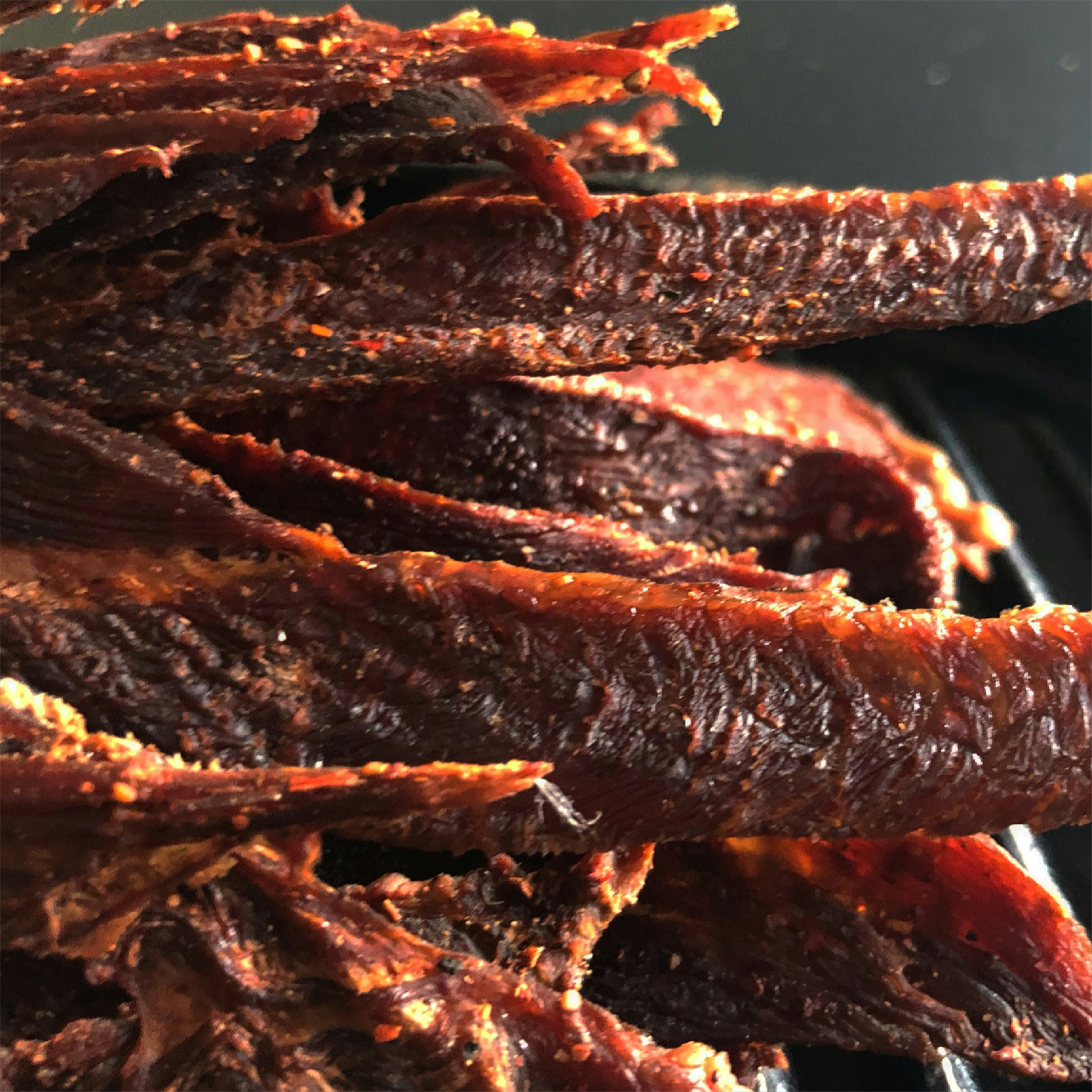
After marination, the beef undergoes a critical drying process. At Kochin Jerky, both dehydration and smoking are employed to achieve distinct flavors and textures. Dehydrators are utilized to remove moisture while preserving the meat’s essential qualities. Some batches are smoked using natural wood, imparting a rich, smoky flavor that complements the marinated beef. Temperature control plays a vital role in this stage; maintaining the proper heat not only ensures the meat dries evenly but also guarantees it is safe for consumption by eliminating harmful bacteria. The drying process can take several hours, during which the meat loses moisture, condensing flavors and ultimately transforming into jerky.
Unique techniques, such as the brand’s specific smoking process or proprietary spice blend, contribute significantly to the quality of Kochin Jerky’s products. Each step reflects a dedication to craftsmanship that highlights the brand’s commitment to delivering premium beef jerky. This meticulous attention to detail throughout the making process is what sets Kochin Jerky apart in the market.
Quality Control and Packaging: Ensuring Freshness and Safety
The commitment to quality at Kochin Jerky extends far beyond the preparation of the meat; it encompasses a rigorous quality control process that safeguards both freshness and safety throughout the production journey. To achieve this, various precautionary measures are employed to ensure that the beef jerky is free from contaminants and aligns with industry standards.
Food safety is paramount in the jerky-making process. Kochin Jerky adheres to strict sanitation protocols, ensuring that every surface, tool, and piece of equipment is thoroughly cleaned and sanitized before use. This minimizes the risk of cross-contamination, a common concern in food production. Additionally, the staff undergoes extensive training in food handling and safety practices, allowing them to maintain a hygienic environment during all stages of jerky production.
Testing for quality assurance is another critical aspect of Kochin’s operations. Each batch of beef jerky undergoes rigorous testing for flavor, texture, and moisture content. This testing ensures that the product meets the brand’s high standards and adheres to health regulations. Furthermore, samples from every production lot are sent to a third-party laboratory for microbiological testing, which certifies that the final product is safe for consumer consumption.
The packaging process is equally thoughtful, designed to extend the shelf life of the product while maintaining its quality. Kochin Jerky employs vacuum sealing technology to ensure that the jerky remains fresh and flavorful. This packaging method significantly reduces the likelihood of spoilage due to exposure to air, making it an excellent choice for preserving jerky’s taste and integrity. The visually appealing branding and presentation also reflect Kochin’s ethos, providing customers with not only a product that is safe to eat but also a delightful unboxing experience that speaks to the brand’s dedication to quality.