The Ultimate Guide to Jerky: History, Types & Uses
1. Introduction to Jerky
Jerky, a form of preserved meat, has a rich history steeped in various cultures around the globe. At its core, jerky is created through the process of drying meat to prevent spoilage, a necessity in ancient times when refrigeration was non-existent. The significance of jerky as a food item extends beyond mere sustenance; it has been a vital source of nutrition for nomadic tribes, explorers, and travelers, allowing them to carry lightweight, non-perishable food that retains its flavor and nutritional value.
The basic ingredients in jerky are relatively simple, primarily consisting of lean cuts of meat, seasoning, and sometimes sugar or preservatives. The meat is often marinated with a mixture of salt, spices, and other flavorings, then cut into strips and dried through various methods, including air drying, smoking, or using a dehydrator. This method not only enhances the meat’s flavor but also significantly extends its shelf life, making it a convenient option for many.
Over time, jerky has evolved from a practical food preservation technique into a widely enjoyed snack across many cultures. Its versatility allows for numerous varieties, with different regions showcasing unique flavors and textures influenced by local customs and available ingredients. Today, jerky can be found in an array of options, from traditional beef jerky to turkey, chicken, and even plant-based alternatives, catering to diverse dietary preferences and tastes.
The cultural relevance of jerky is undeniable, as it continues to permeate modern snack culture while retaining its historical roots in food preservation. This transformation from a method of survival to a beloved snack showcases the adaptability of jerky, highlighting its enduring appeal as an essential food item in various societies. As we delve deeper into the different types of jerky, we can appreciate not only its flavors but also its storied past that has shaped it into the popular snack it is today.
2. A Brief History of Jerky
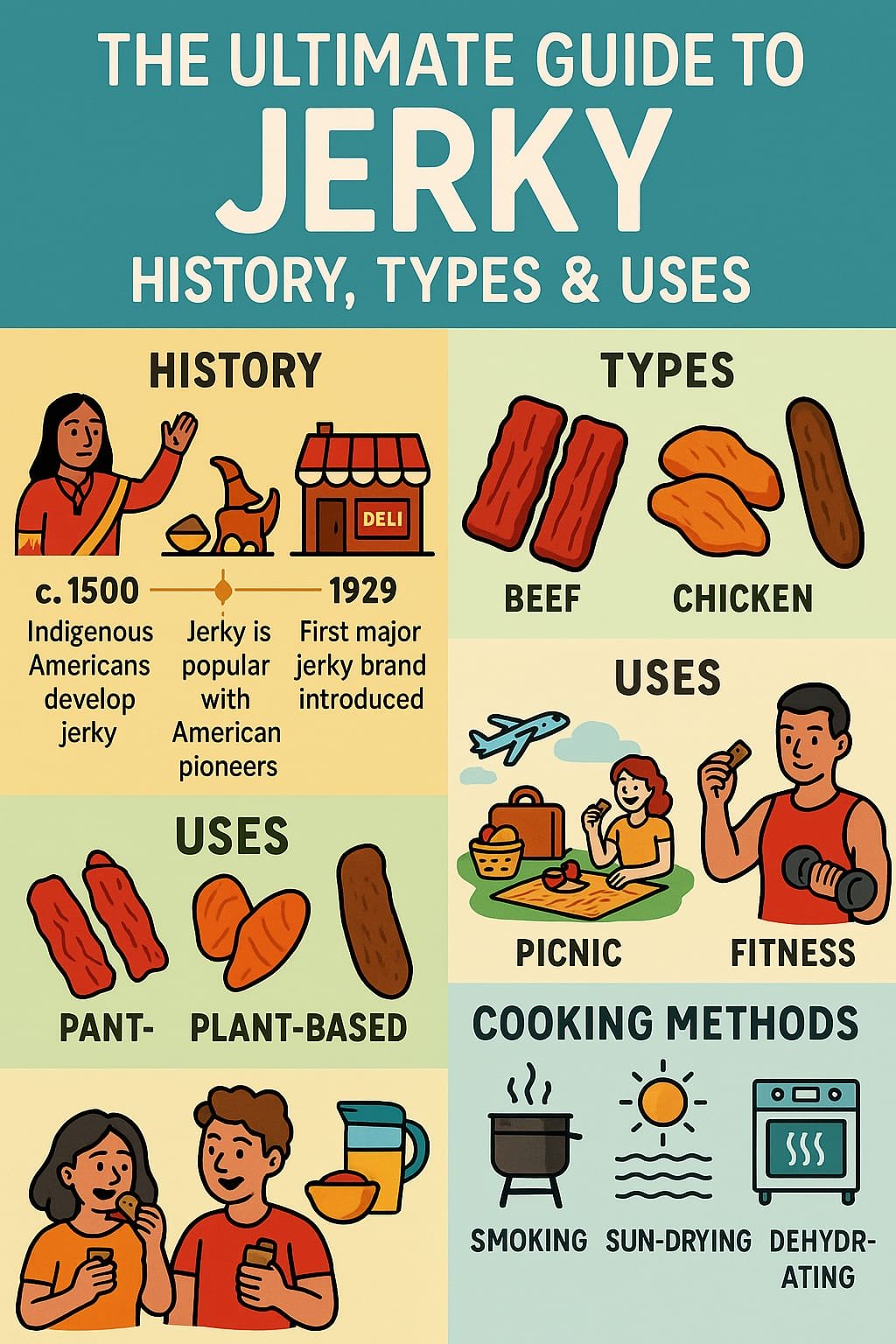
Jerky, a term derived from the Spanish word “charqui,” which means dried meat, has a rich history that dates back thousands of years. The origins of jerky can be traced to ancient civilizations, such as the Inca Empire in South America and indigenous tribes in North America, who utilized innovative preservation techniques to create this nutrient-dense food. These early practitioners recognized the need for long-lasting sustenance, particularly during times when food scarcity was prevalent.
Historically, various cultures employed methods like sun drying, wind drying, and smoking to dehydrate meat. The process involved removing moisture from the meat, inhibiting the growth of bacteria and extending its shelf life. This technique proved essential for nomadic societies that relied on portable food sources while on the move. In North America, Native Americans made use of local game such as bison, deer, and fish, turning these resources into jerky to support their migratory lifestyles.
During the colonial period, European settlers adopted Native American preservation techniques, adapting them to their culinary practices. This exchange of knowledge fostered a diverse array of jerky types, as different regions began to explore and innovate with local meats and spices. The popularity of jerky continued to grow throughout the 19th century, particularly during the westward expansion of the United States, where pioneers and cowboys relied heavily on jerky for sustenance during long journeys.
The invention of modern methods, such as vacuum sealing and commercial dehydration, has transformed jerky production in contemporary times. Today, jerky is available in countless varieties, flavors, and textures, reflecting the influence of global cuisines. Thus, the historical journey of jerky not only showcases its functional significance as a source of nutrition but also highlights how it has evolved into a diverse snack enjoyed by many around the world.
3. Traditional Jerky Making Techniques
Making jerky has long been a time-honored tradition, employing various methods that have been passed down through generations. The primary techniques involve drying, smoking, and seasoning the meat, resulting in a flavorful and preserved snack that can be enjoyed for months. Understanding these traditional techniques is essential for both enthusiasts and beginners alike who wish to create high-quality jerky at home.
Drying is one of the oldest methods used to preserve meat and can be performed using different methodologies. Air drying, for instance, is a simple technique that requires minimal equipment. The meat, typically beef, venison, or poultry, is cut into thin strips and laid out in a well-ventilated area, often in direct sunlight or a dry, cool location. However, electric dehydrators or commercial drying machines can ensure a more consistent result, as they provide controlled temperatures and air circulation, which are crucial for even drying.
Smoking adds another layer of flavor to jerky and can also contribute to its preservation. This method involves exposing the meat to smoke from burning wood, which infuses its rich and smoky aroma. Common woods used for smoking include hickory, mesquite, and applewood, each imparting unique flavors. Smokers can be purchased commercially or can be homemade with the right equipment, offering an enjoyable project for those keen on crafting their jerky.
Seasoning is equally important in the jerky-making process. Traditional seasonings often include a mix of salt, pepper, garlic powder, and other spices, which not only enhance the flavor but also aid in preservation. Marinades can also be applied, allowing for a variety of tastes. For beginners, experimenting with pre-made jerky seasonings is a good starting point, as they typically include a balance of salt and spices specifically designed for optimal flavor.
For those new to jerky making, starting with simple recipes and investing in basic dehydrating and smoking equipment can yield satisfying results. As skills improve, varying techniques and flavors can be explored further, ensuring that the tradition of jerky making continues to thrive.
4. Popular Types of Jerky
Jerky, a beloved snack across many cultures, comes in a variety of forms that cater to diverse tastes and preferences. Among the most popular types is beef jerky, which is characterized by its robust flavor and chewy texture. Prepared from marinated slices of beef that are dehydrated, this variety is renowned for its savory profile, often enhanced by spices such as black pepper, garlic, and soy sauce. Beef jerky is not only favored for its taste but also for its high protein content, making it a popular choice for outdoor enthusiasts and athletes.
Turkey jerky is another widely appreciated option, distinct for its lighter flavor and lower fat content compared to its beef counterpart. This type of jerky is sourced from lean cuts of turkey breast, providing a healthier alternative without compromising on taste. The subtle flavors of turkey jerky can be intensified through various marinades, which may include honey, jalapeños, or other seasonings, rendering it a versatile snacking choice.
Pork jerky offers yet another dimension to the jerky experience. Typically made from lean cuts of pork, this variety presents a unique sweetness that pairs well with spices such as brown sugar and chili flakes. Pork jerky has gained popularity due to its rich flavor profile, making it a convenient choice for those seeking something different from more traditional jerky offerings.
In addition to these mainstream varieties, exotic options like venison jerky and salmon jerky are also garnering attention. Venison jerky, made from deer meat, is notable for its gamey flavor, often seasoned with natural herbs and spices for enhancement. Salmon jerky, on the other hand, provides a rich umami taste, with its preparation involving marination in teriyaki or soy sauce before dehydration. These exotic jerky varieties broaden the market, appealing to adventurous eaters looking for unique snacking experiences. The diversity in jerky types ensures that there is something for everyone, appealing to a wide array of flavor preferences and dietary requirements.
5. Health Benefits of Jerky
Jerky has long been heralded not only for its flavor but also for its exceptional nutritional profile. As a concentrated source of protein, jerky is particularly appealing for individuals seeking to boost their protein intake without the excess carbohydrates or sugars found in many snacks. A typical serving of jerky can provide anywhere from 10 to 15 grams of protein, making it an efficient option for those who lead active lifestyles or are looking to support muscle repair and growth.
Moreover, jerky generally contains lower fat levels compared to other traditional snack options like chips or cookies. Depending on the type of meat used and the preparation method, many varieties of jerky offer a favorable fat-to-protein ratio. For example, lean meats such as turkey or chicken result in jerky that is both lower in calories and saturated fats, making it a viable choice for health-conscious consumers.
Convenience is another key health benefit associated with jerky. As a non-perishable snack that can be conveniently stored and transported, it becomes a suitable option for busy individuals who may require on-the-go nutrition. Whether it is for a hike, a long road trip, or a busy workday, jerky provides essential nutrients to keep energy levels sustained without the need for refrigeration.
Additionally, jerky can fit well into various dietary preferences and restrictions. It can easily accommodate low-carb, high-protein diets like keto, as well as those who adhere to paleo lifestyles. Furthermore, many brands offer jerkies made from alternative protein sources, such as plant-based options, catering to vegetarians and vegans. The variety of flavors and types available ensures that there is likely a jerky to meet the tastes and dietary requirements of nearly any individual.
6. Jerky Around the World
Jerky, a form of dehydrated meat traditionally preserved through drying, varies significantly across cultures, each offering unique flavors and preparation methods. In South America, for example, one finds ‘charqui,’ a method that dates back to the Inca civilization. This jerky is primarily made from llama or alpaca meat, seasoned with local spices and salt, and then air-dried under the sun. The flavor profile is robust and often accompanied by spices native to the Andes, showcasing the region’s culinary heritage.
In Asia, particularly in countries like China and Korea, jerky takes on distinct variations such as ‘bakkwa’ and ‘jeongol.’ Bakkwa is a sweet, barbecued jerky made from marinated pork, characterized by its glossy texture and smoky flavor. The traditional preparation involves a meticulous marinating process, where spices and sugar are combined, followed by grilling over a charcoal flame, giving it a unique sweet-savory balance. Jeongol, on the other hand, often features a mix of meats, including beef and poultry, combined with vegetables and noodles, presenting a jerky-style dish served in broth.
Africa also has its own tradition of jerky, commonly known as ‘biltong’ in South Africa. Biltong is made from beef, game, or ostrich and is cured in vinegar, followed by spicing with coriander, pepper, and salt before air-drying. The drying process can take several days, resulting in a chewy texture and the preservation of natural flavors. This method not only emphasizes the importance of meat preservation in the African diet but also highlights regional preferences and ecological aspects of food sourcing.
These diverse jerky styles illustrate how cultures worldwide have adapted meat preservation techniques to their local environments, dietary patterns, and flavor preferences, resulting in an impressive variety of jerky types. Each region not only showcases their ingredients but also enriches the global jerky narrative, reflecting culinary traditions that continue to thrive today.
7. How to Choose Quality Jerky
Choosing quality jerky involves a careful evaluation of several factors that contribute to both the taste and nutritional value of the product. First and foremost, the ingredients list should be your first stop. High-quality jerky is often made from simple, natural ingredients. Look for jerky that uses whole cuts of meat, rather than mechanically separated meat or unknown meat products. Additionally, the presence of minimal preservatives and artificial additives is a good indicator of quality.
Next, consider the texture of the jerky. Quality jerky should have a firm yet pliable texture, indicating it has been properly dried without becoming overly tough or chewy. A good piece of jerky should not break apart easily, but should also not require excessive effort to chew. Factors such as moisture content also play a significant role. Ideally, jerky should be dry but not too dry. Jerky that appears moist may indicate a higher chance of spoilage, while jerky that is overly dry could be an indicator of poor preparation.
Flavor is another crucial aspect when selecting jerky. Look for products that offer a balanced flavor profile, without being overly salty or artificial. Many manufacturers incorporate spices, marinades, or smoke flavoring, which can enhance the taste. Always read the label carefully to understand the flavoring ingredients and avoid options with excessive sodium or sugar content, which can lead to unhealthy eating habits.
Lastly, consider the source of the jerky. Brands that prioritize sustainable and ethical sourcing of their meat tend to produce higher-quality products. Checking for certifications or consumer reviews can also provide insights into the brand’s reputation. By paying close attention to these factors, one can make informed choices when selecting quality jerky.
8. Creative Jerky Recipe Ideas and Pairings
Jerky, with its rich flavor and chewy texture, serves as an excellent ingredient or accompaniment in a variety of culinary creations. Here are some innovative recipe ideas that incorporate jerky, showcasing its versatility beyond the traditional snack.
One popular way to use jerky is by incorporating it into a hearty charcuterie board. Dried meats such as beef, turkey, or even spicy jerky can be paired with assorted cheeses, olives, and artisanal crackers. The bold flavors of jerky complement the creamy cheeses and the briny olives, creating a delightful balance. For an added touch, consider including gourmet mustard or fruit preserves to enhance the taste experience.
Another intriguing idea is to incorporate jerky into salads. Adding pieces of teriyaki or peppered jerky to a fresh garden salad can elevate the dish, providing a savory protein boost. Toss together a mix of greens, cherry tomatoes, cucumbers, and your choice of jerky cut into small pieces for a satisfying meal. Drizzle with a ginger-sesame dressing for a harmonious blend of flavors.
For those who enjoy cooking, creating jerky-infused soups or stews can be a rewarding culinary adventure. By adding chopped jerky to a slow-cooked bean or vegetable soup, the jerky imparts depth and richness to the broth. It’s a perfect way to use leftover jerky or to adapt traditional recipes to include this protein-rich ingredient.
Lastly, consider experimenting with jerky in cocktails. Incorporating jerky as a garnish in savory drinks, like a Bloody Mary, can provide a unique twist. The spicy or smoky flavors of the jerky can intensify the cocktail’s profile, offering a surprising and delectable pairing that enhances the overall drinking experience.
By exploring these creative ways to integrate jerky into your meals, you can enjoy not only its unique flavor but also its nutritional benefits. These ideas can inspire both casual snacks and elaborate dining experiences that celebrate the versatility of jerky.
9. The Future of Jerky
The jerky market is undergoing a significant transformation, driven by changing consumer preferences and an increasing focus on health-conscious eating. As individuals shift towards more plant-based diets, companies are responding with innovative alternatives that cater not just to traditional meat eaters but also to the growing demographic of vegetarians and vegans. This evolution is reflected in the rise of plant-based jerky options made from ingredients such as soy, mushrooms, and various legumes. These products aim to replicate the texture and flavor of beef jerky while offering a cruelty-free and protein-rich snack. The processing methods utilized in creating these alternatives are advancing, leading to products that better meet consumer expectations for taste and texture.
In addition to plant-based options, the diversity of flavors in the jerky market is expanding rapidly. Consumers are becoming more adventurous and seeking new taste experiences. This change is prompting manufacturers to explore exotic spices and unique flavor combinations. From sriracha-infused beef jerky to teriyaki-flavored turkey jerky, the possibilities are virtually limitless. Companies are also experimenting with international flavors, appealing to a broader palate and encouraging consumers to step outside their traditional preferences. This diversification not only attracts new customers but also retains existing ones by providing them with novel options to enjoy.
As sustainability becomes a key consideration in consumer purchasing decisions, the jerky industry is also adapting by sourcing ingredients responsibly and reducing environmental impacts. Brands are increasingly transparent about their supply chains and practices, an approach that resonates with environmentally conscious consumers. By embracing innovation and adapting to health trends, the jerky market is poised to thrive in coming years, catering to a more diverse audience. This ongoing evolution underscores the resilience of the jerky industry as it navigates a changing culinary landscape.