
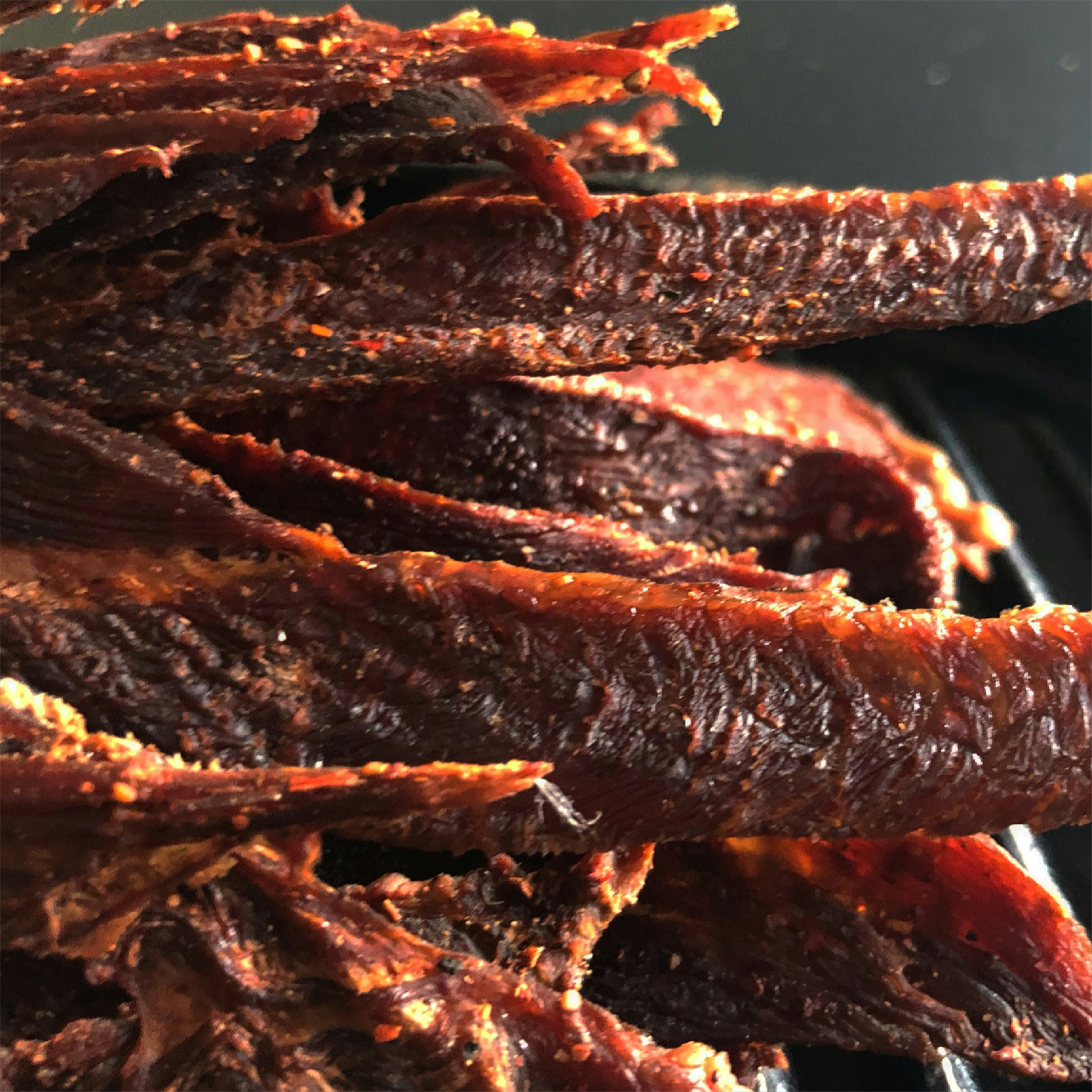
The Nutritional Advantages of Jerky
Jerky is increasingly recognized for its impressive nutritional profile, making it a superior snack choice compared to many conventional options. One of the most notable benefits is its high protein content, which can range from 15 to 30 grams per serving, depending on the type of jerky. This protein density not only aids in muscle recovery and growth but also contributes to satiety, helping individuals feel full for an extended period. Unlike many common snacks such as chips and candy bars, which are often laden with excessive carbohydrates and sugars, jerky contains minimal sugar and low carbohydrate levels, making it an excellent choice for those observing dietary restrictions or aiming to maintain stable energy levels.
Furthermore, jerky is available in a variety of types, catering to diverse dietary preferences. Traditional beef jerky remains a popular option, known for its rich flavor and satisfying chew. However, for those seeking alternatives, turkey and chicken jerky provide lower-fat options without sacrificing taste. Additionally, the emergence of plant-based jerky allows vegans and vegetarians to enjoy this protein-rich snack without animal products. These innovations not only enhance the versatility of jerky but also expand its appeal among a broader audience.
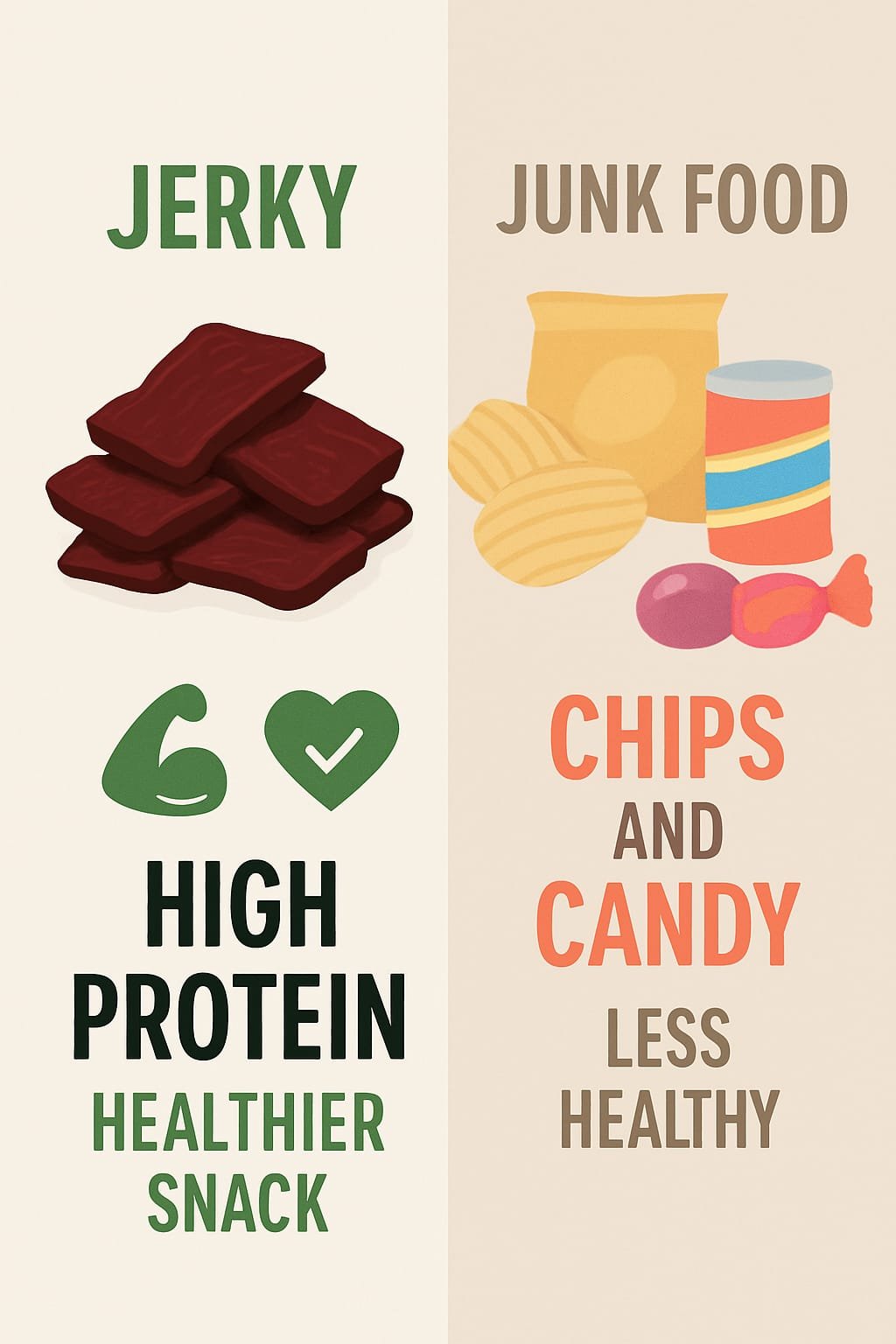
In comparison to snack foods that are high in refined sugars and unhealthy fats, jerky stands out as a nutrient-dense alternative that contributes positively to one’s diet. It serves as an ideal snack for those on the go, thanks to its convenience and portability. Whether engaged in outdoor activities, workout sessions, or simply needing a quick energy boost during a busy day, jerky provides a sustained source of energy while supporting muscle health. The combination of high protein content, low sugar, and dietary versatility firmly positions jerky as a remarkable snack option for health-conscious individuals.
Convenience and Portability: Jerky as the Perfect On-the-Go Snack
In today’s fast-paced world, finding convenient and portable snacks can significantly enhance our daily routines. Jerky stands out as an excellent choice due to its practical attributes, making it an ideal on-the-go snack for individuals with busy lifestyles. Unlike many traditional snacks that require refrigeration or have a limited shelf life, jerky is known for its remarkable durability. Packaged in resealable bags or vacuum-sealed pouches, jerky can easily be tossed into a bag or glove compartment, ready for consumption whenever hunger strikes.
The longevity of jerky is another aspect that adds to its convenience. While fresh fruits, dairy products, and other perishable items may spoil quickly, jerky can last for months without refrigeration. This feature makes it particularly appealing for outdoor enthusiasts engaging in activities such as hiking or camping, where access to fresh food may be limited. As a source of sustained energy during these excursions, jerky provides both nutrition and ease of transport, allowing adventurers to focus on enjoying their activities rather than worrying about food safety.
Additionally, jerky’s quick-preparation factor is a significant advantage for those on tight schedules. Ready to eat right out of the package, it eliminates the need for cooking or meal prep, making it a hassle-free snack option. Whether at work, in transit, or during recreational outings, jerky delivers protein and satisfying flavors without compromising time. Such convenience not only meets immediate hunger but also aligns with the demands of contemporary lifestyles. Thus, it’s clear that jerky transcends traditional snacking barriers, solidifying its reputation as a favored choice for individuals seeking both nutritious and portable options.
The Taste Factor: Flavor Diversity in Jerky Snacking
The world of jerky has evolved significantly, transforming it into a versatile and flavorful snack that caters to a wide array of palates. Initially known for its traditional tastes, jerky now boasts a plethora of flavors that appeal to both adventurous eaters and those who prefer classic profiles. From the time-honored original beef flavor to the tangy zest of teriyaki and the fiery kick of spicy jalapeño, there is a jerky variant to satisfy everyone’s cravings.
In addition to the classic flavors, the rise of gourmet jerky options has broadened the market even further. Artisanal producers are crafting unique taste profiles, introducing unexpected combinations such as honey mustard, bourbon barbecue, and even exotic flavors like smoked mushroom and sriracha. These innovative offerings not only enhance the eating experience but also elevate jerky above typical snacks, which often suffer from a lack of flavor variety. In contrast to chips that are predominantly salty or sugary snacks that are largely sweet, jerky presents a robust flavor spectrum that is rarely matched.
Moreover, the changing preferences among consumers towards healthier snacks have prompted jerky makers to expand their offerings even further, exploring flavors inspired by global cuisines. This fusion approach embraces taste elements from various cultures, prompting interesting blends that incorporate spices and seasonings from around the world. As consumers continue to seek out nutritious options, the jerky market is expanding to meet these demands, ensuring that flavor diversity remains at the forefront of jerky production. Ultimately, this evolution highlights the snack’s versatility and underlines its position as an appealing choice for those who desire both taste and nutrition.
Jerky vs. Other Snack Options: A Comparison
When evaluating snack options, it is crucial to consider factors such as caloric content, nutrient density, shelf-life, and satiety. Jerky, particularly meat jerky, stands out among popular alternatives such as nuts, energy bars, chips, and candy. This analysis reveals that jerky offers a unique blend of benefits that makes it a compelling choice for those seeking both convenience and nutrition.
Caloric content is a significant consideration for many snackers. Traditional jerky contains about 70-100 calories per ounce, making it relatively low in calories compared to many energy bars and candy, which can range from 150 to 300 calories for a similar serving. Furthermore, while nuts are often perceived as healthy, they can have a high caloric density, with some varieties exceeding 200 calories per ounce. This makes jerky an appealing option for those monitoring their caloric intake.
Nutrient density is another area where jerky shines. It is rich in protein, often containing around 10 grams of protein per ounce, and provides essential vitamins and minerals such as zinc and iron. This contrasts with many chips and candy, which offer little in the way of essential nutrients. Energy bars may contain protein, but they are frequently loaded with added sugars and empty carbohydrates that can undermine their purported health benefits.
Shelf-life is also a critical factor. Jerky’s longevity makes it a practical snack for travel and outdoor activities, as it can last for months without refrigeration. In comparison, chips and candy can lose freshness quickly, and nuts may require careful storage to maintain quality. When it comes to satiety, jerky’s high protein content means it is more likely to keep you feeling full for longer periods than other snacks such as candy and chips, which can lead to overeating.
In conclusion, when comparing jerky to other common snack options, it emerges as a superior choice in terms of health and satisfaction. Its advantageous calorie count, nutrient density, extended shelf-life, and satiating properties collectively support the argument for choosing jerky over less nutritious alternatives.