What is Jerky?
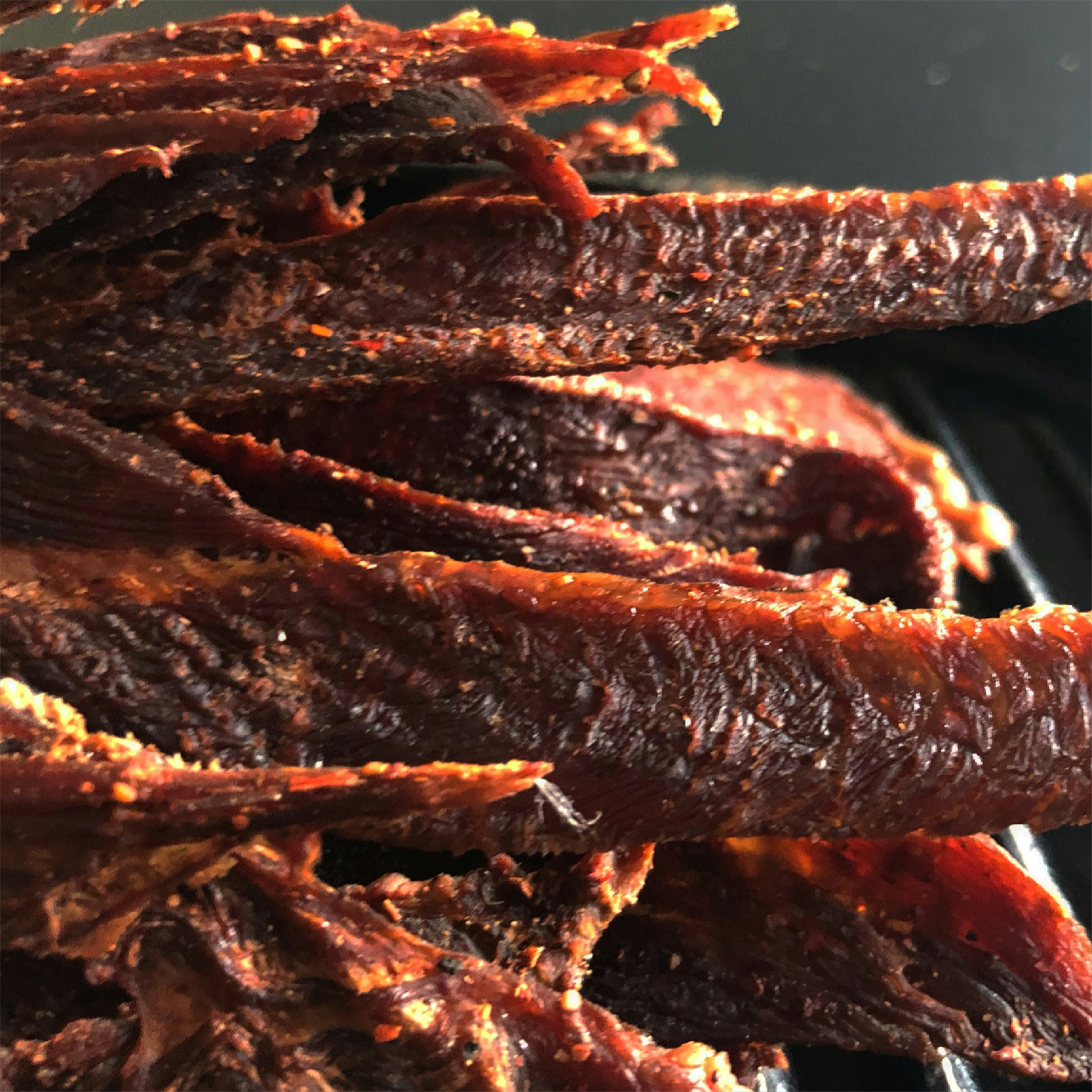
Jerky is a type of preserved meat prepared through drying, which removes moisture and inhibits bacteria, allowing the meat to be stored for long periods. Traditionally used by hunters and travelers for its portability and long shelf life, jerky has become a popular modern snack for all ages thanks to its convenient packaging and extended freshness.
Jerky can be made from beef, turkey, pork, venison, fish, and more, each type adding its own flavor and texture. Production typically includes marinating the meat with spices and seasonings, then slicing and drying it through methods like air drying, smoking, or dehydrating.
Nutritionally, jerky is packed with protein, low in carbohydrates, and a good source of vitamins and minerals. Its lightweight, portable nature makes jerky not only a favored snack among health-conscious snackers, but also among outdoor enthusiasts seeking lasting energy.
Historical Background of Jerky
The origins of jerky trace back thousands of years to early civilizations that used drying, salting, and smoking techniques to preserve meat. These methods allowed people to store protein safely before the invention of refrigeration, helping them survive long journeys and times of scarcity.
In North America, indigenous peoples perfected jerky-making from buffalo, deer, and elk, while South America has “charqui” and Asia has “bakkwa,” reflecting local traditions and available resources. Over time, these methods influenced global food preservation and continue to inspire today’s jerky products.
Cultural Significance of Jerky
Jerky is more than food—it’s a symbol of resilience, exploration, and culture. From communal preparation to flavor innovations, jerky brings people together. Each region’s unique jerky, from Native American recipes to Asian barbecue styles, highlights the diversity and adaptability of this timeless snack.
The Modern Jerky Market
Jerky has evolved into a gourmet option, with a rise in artisanal brands, unique flavors (chipotle, maple bourbon, garlic), and health-focused recipes. Social media trends, health-conscious consumers, and creative marketing have helped transform jerky into a mainstream favorite that bridges tradition with modern snacking trends.